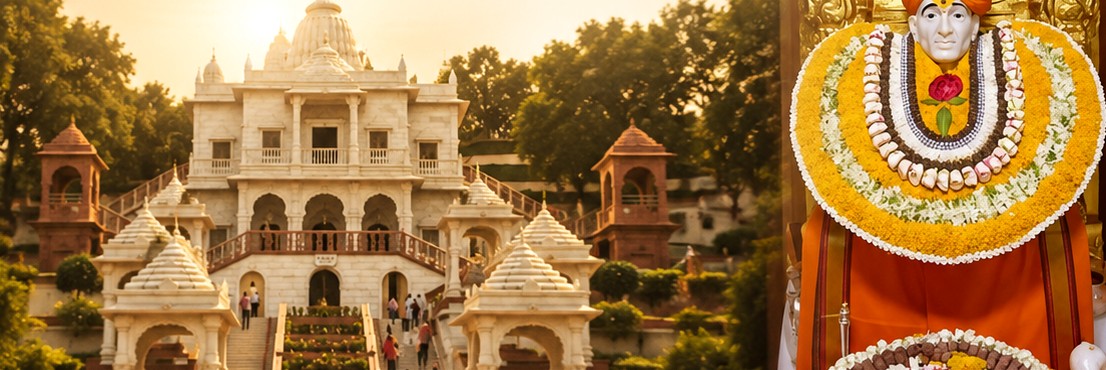
Maha Shivratri at Omkareshwar is the most magnificent festival of the year at this Jyotirlinga, when the island on the Narmada comes alive with lamps, chants and throngs of devotees. Because Omkareshwar is one of the twelve sacred Jyotirlingas, the night of Shiva’s worship draws pilgrims from across India, making advance planning essential for a peaceful darshan.
Why Maha Shivratri Is So Special Here
Maha Shivratri — the “Great Night of Shiva” — commemorates the divine union of Shiva and Shakti and, in some traditions, the night Shiva performed the cosmic Tandava. At a Jyotirlinga, where Shiva is believed to reside in his self-manifested form, the festival carries extraordinary weight. Devotees believe that worship performed on this night at a Jyotirlinga yields immense spiritual merit, which is why Omkareshwar sees its largest crowds of the year around Shivratri.
For more on the shrine’s significance, read our article on festival celebrations at Gajanan Maharaj Sansthan and the legend of the Omkareshwar Jyotirlinga.
What to Expect During the Celebrations
Holy dip in the Narmada
The day often begins before dawn with a snan (holy bath) in the Narmada, considered a goddess in her own right. The ghats fill with pilgrims performing this purifying ritual before proceeding for darshan.
Special abhishek of the Jyotirlinga
Throughout the day and night, the Jyotirlinga receives special abhishek with milk, honey, curd, ghee, sugar and water — the Panchamrit — along with bilva (bel) leaves, which are particularly dear to Shiva. Many devotees book an abhishek slot in advance; queues can be long.
Grand aartis
The Shiva aarti inside the temple and the riverside Narmada aarti at the ghats are conducted with extra grandeur, accompanied by bells, conches and devotional singing. The illuminated temple and the floating lamps on the river create an unforgettable atmosphere.
All-night jagran and bhajans
True to the spirit of Shivratri, the town stays awake through the night in jagran — singing bhajans, chanting “Om Namah Shivaya”, and listening to discourses. Local mandals and temple groups organise kirtan programmes that continue until the small hours.
Approximate Schedule of Celebrations
The exact programme changes each year and is set by the temple trust and local authorities, so treat the following as a typical outline and confirm locally for the current year.
| Time (typical) | Activity |
|---|---|
| Before dawn | Holy dip in the Narmada at the ghats |
| Early morning | First darshan and morning aarti |
| Daytime | Special abhishek, Rudrabhishek, bilva archana |
| Sunset | Lighting of lamps, evening Shiva aarti |
| Night | Narmada aarti, jagran, bhajans, kirtan |
| Past midnight | Continued darshan and chanting |
| Next morning | Concluding darshan, distribution of prasad |
For regular (non-festival) timings, see our darshan timings and aarti schedule guide.
Crowd Management and Darshan Tips
- Expect very large crowds: Shivratri is the single busiest day at Omkareshwar; patience and calm are essential.
- Arrive early: Reaching the ghats and temple before dawn helps you avoid the thickest rush.
- Follow queue systems: The temple trust and police set up barricaded darshan lines; cooperate with volunteers for everyone’s safety.
- Keep belongings minimal: Carry only essentials — valuables and heavy bags slow you down in crowds.
- Stay hydrated and fed: Carry water and light snacks, and take advantage of the many bhandara (community kitchens) that serve free meals during the festival.
Booking Rooms and Transport in Advance
Accommodation is the single biggest challenge during Maha Shivratri. Clean rooms close to the temple can be booked out weeks or even a month ahead, and prices for last-minute options rise sharply. To secure comfortable, fairly priced lodging:
- Book early — ideally as soon as the festival date is announced.
- Choose a place within walking distance of the ghats to avoid traffic restrictions.
- Arrange transport in advance — taxis and buses are in heavy demand; pre-book your onward journey too.
For accommodation options, see our bhakt niwas rooms and accommodation guide.
Best Time to Visit Around the Festival
Maha Shivratri usually falls in February or March, which is also the heart of the pleasant cool season. Daytime temperatures are comfortable and the Narmada is generally full, making the experience beautiful as well as spiritually powerful. If you prefer smaller crowds, the days just before or just after the main night offer a quieter but still festive atmosphere.
For more on timing your whole trip, see our guide to the best time to visit Omkareshwar.
Summary
Maha Shivratri at Omkareshwar is the high point of the temple’s calendar — a night of holy baths, special abhishek, grand aartis and all-night jagran at one of the twelve Jyotirlingas. The devotional energy is unmatched, but so are the crowds, so book your rooms and transport well in advance, arrive early, and carry only the essentials to make the most of this once-in-a-lifetime festival experience.
Frequently Asked Questions
Why is Maha Shivratri important at Omkareshwar?
Omkareshwar is one of the twelve Jyotirlingas, making Maha Shivratri its biggest festival of the year. The night marks the union of Shiva and Shakti and draws tens of thousands of devotees for special abhishek and all-night worship.
What happens at Omkareshwar during Maha Shivratri?
Devotees take a holy dip in the Narmada, perform special abhishek on the Jyotirlinga, attend the grand Narmada and Shiva aartis, and keep an all-night jagran with bhajans and chanting. The temple is beautifully decorated and lit.
Should I book rooms in advance for Shivratri?
Yes, absolutely. Maha Shivratri is the busiest time at Omkareshwar and accommodation fills up weeks ahead. Book your room and transport well in advance to avoid disappointment.