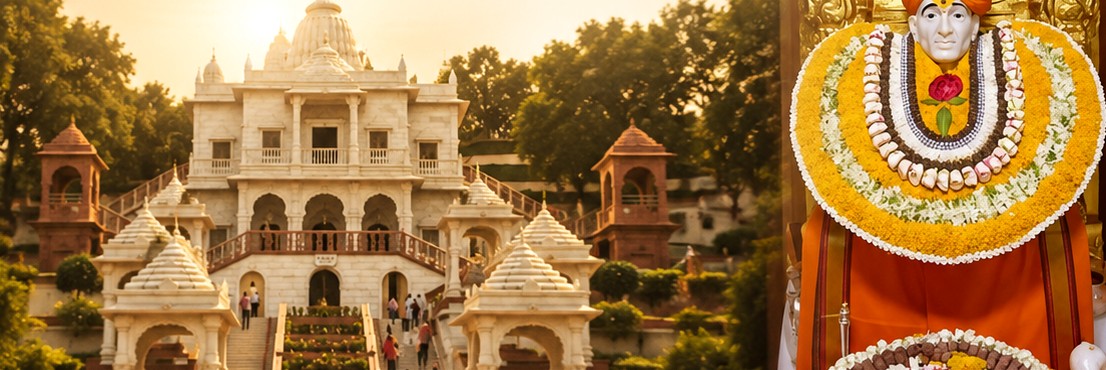
Ask a warkari which ekadashi is greatest and the answer will be Ashadhi; ask which is sweetest, and many will say Kartiki. Falling in the pleasant months around late October to early December, Kartiki Ekadashi at Pandharpur is the second great yatra of the year — a festival with all the elements of its summer sibling, the walking devotees, the palkhis, the night-long abhangs on the Chandrabhaga, delivered under kinder skies. For families, elderly pilgrims and first-time visitors, it is often the most enjoyable way to see Pandharpur at its festive peak. This guide explains the day’s significance, what happens in town, and how to plan the trip.
What Is Kartiki Ekadashi?
Kartiki Ekadashi is the eleventh day of the bright fortnight of the month of Kartik. Across much of India it is observed as Prabodhini or Dev Uthani Ekadashi — the awakening — because, according to tradition, it marks the end of chaturmas, the four-month period during which Vishnu is said to rest, and auspicious activities resume. Many households also perform the ceremonial tulsi vivah, the marriage of the sacred tulsi plant, around this ekadashi.
At Pandharpur, both currents meet: warkaris who observe every ekadashi consider this, after Ashadhi, the most important of the year, and dindis again set out on foot for the Chandrabhaga. The combination of an auspicious calendar date, the end of the monsoon and cool dry weather gives the town a festive completeness that only high winter can supply.
The Kartiki Yatra: The Second Great Gathering
In the days leading up to Kartiki Ekadashi, the roads into Pandharpur again fill with walking devotees — fewer than the summer ocean of lakhs, but still a gathering most tirthas would call their biggest day of the year. Palkhi processions arrive from various centres, dindis camp in the familiar grounds, and the riverbank at dawn becomes a congregation of bathers and singers. The atmosphere is intense yet relaxed: the same abhangs, the same white clothes and gandh-marked foreheads, but shorter queues, cooler nights and room to breathe.
Devotees who find the June crowds physically taxing often make Kartiki their annual vow instead, and many families deliberately introduce children to the yatra tradition here first. If you are weighing the two, our guide to Ashadhi Ekadashi at Pandharpur describes the summer experience in detail; Kartiki follows the same broad rhythm at a gentler amplitude.
Temple Programs and Celebrations
The temple trust, mathas and seva organisations shape the days around the ekadashi; the outline below is indicative of what pilgrims generally experience, and specifics change each year — confirm with temple authorities as schedules change.
| Period | What generally happens | Notes for visitors |
|---|---|---|
| Days before Ekadashi | Dindis arrive; kirtans and pravachans in the encampments | Accommodation begins filling up |
| Dashami (eve) | Processions converge; many devotees complete the ritual bath and fast | Ghats busy from dawn onward |
| Ekadashi day | Continuous darshan; palkhi receptions; bhajan mandalis across town | Queues long but typically shorter than Ashadhi |
| Evening and night | Aarti, deep-daan at the river, kirtans late into the night | The most beautiful hours on the Chandrabhaga |
| Dwadashi | Concluding rituals; warkaris begin the journey home | Town thins out through the day |
Free anna daan runs through the festival period, with mathas and village seva groups serving simple meals to pilgrims around the clock.
Why Winter Is a Wonderful Time for Pandharpur
Beyond the festival itself, the season does half the work of a good pilgrimage. Daytime temperatures in this stretch of the Deccan are typically mild and the air dry, which makes the walking between temple, ghats, Rukmini’s shrine and your lodging a pleasure rather than an endurance. Queue waits, however long, are spent in comfortable air; the Chandrabhaga is calmer after the monsoon; and the light in late afternoon gives the old stone of the temple quarter a warm, photographed glow.
Winter is equally the season we recommend to guests planning the twin centres of our own work — the same window that makes the best time to visit Omkareshwar so rewarding for Narmada-side pilgrimage suits Pandharpur perfectly. Pilgrims building a longer Maharashtra–Madhya Pradesh circuit in these months can move between the two tirthas in comfort, just as festive seasons at Sansthan shrines are described in our festival celebrations article.
Planning Your Kartiki Trip
- Book early, but with less panic than Ashadhi. Rooms are still scarce in the fortnight before the ekadashi; reserve two to four weeks ahead where possible and confirm tariffs at booking.
- Pack for cool nights. Early mornings and evenings by the river can be genuinely chilly; carry a shawl or light jacket alongside your day clothes.
- Travel the day before. Arriving on Dashami lets you bathe at dawn on Ekadashi and join the queues before they peak.
- Mind the ritual calendar. Devotees observing the traditional fast keep Dashami and Ekadashi simple and eat only after darshan or on Dwadashi; plan restaurant meals around this reality, as many eateries run limited menus on the fast days.
- Verify dates and schedules. The Gregorian date of Kartiki Ekadashi shifts every year, and palkhi schedules are finalised by the respective managements — check with local sources or the temple trust before locking travel plans.
Summary
Kartiki Ekadashi offers the complete Pandharpur festival — the warkaris, the palkhis, the dawn baths in the Chandrabhaga and the unbroken song — wrapped in the year’s kindest weather and slightly gentler crowds. It honours the awakening that ends chaturmas and gives families and elderly devotees a yatra they can truly savour. Fix the date from a reliable panchang, arrive a day early, book your stay in advance and carry a shawl for the river wind. Under the clear Kartik sky, with abhangs rising from the ghats at night, most pilgrims discover what the warkaris have always said of this season: the Lord who waits on his brick is equally sweet in winter.
Frequently Asked Questions
When is Kartiki Ekadashi celebrated at Pandharpur?
It falls on the eleventh day of the bright half of the Hindu month of Kartik, usually corresponding to late October, November or early December. The date shifts each year, so check a reliable panchang before booking travel.
How is Kartiki Ekadashi different from Ashadhi Ekadashi?
The rituals and devotion are similar, but Kartiki is the second great yatra — still enormous, yet noticeably less crowded than Ashadhi. The weather is also far milder, making it a favourite with elderly pilgrims and families.
Do the palkhis come to Pandharpur for Kartiki Ekadashi too?
Yes. Warkari dindis and palkhi processions travel to Pandharpur for Kartiki Ekadashi, though on a smaller scale than the great Ashadhi wari. The exact routes and schedules are settled by the organisers each year.
Is Kartiki Ekadashi a good time for a first visit to Pandharpur?
For many travellers, yes. You experience the full festival atmosphere — kirtans, processions and packed ghats — with cooler weather and somewhat shorter darshan queues than in June or July.