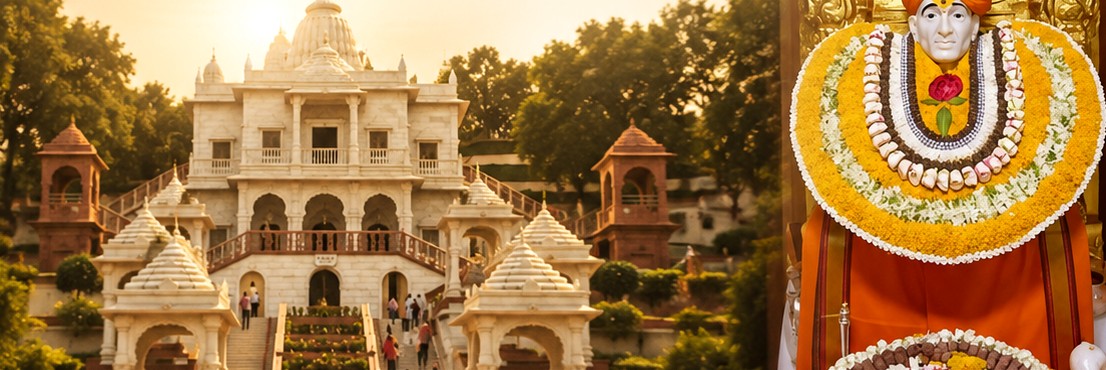
Simhastha Kumbh at Ujjain is one of the four great Kumbha gatherings of India — the once-in-twelve-years festival when crores of devotees converge on the banks of the Shipra for the sacred bath, and the otherwise quiet city of Mahakal becomes, for a few weeks, one of the largest gatherings of humanity on earth. The most recent Simhastha was held in 2016, and the next is widely expected around 2028. For pilgrims, understanding the festival’s rhythm, dates and logistics is the difference between an ordeal and the journey of a lifetime.
What Is Simhastha?
Simhastha is Ujjain’s form of the Kumbh Mela. According to tradition, the Kumbhas commemorate the churning of the cosmic ocean, when drops of the nectar of immortality fell at four sacred places — Prayagraj, Haridwar, Nashik-Trimbakeshwar and Ujjain — sanctifying their rivers forever. Ujjain’s festival takes its name, per tradition, from Jupiter’s transit into Simha (Leo) in the zodiac, which fixes its timing approximately every twelve years. The heart of the festival is the snan in the Shipra: bathing on the designated main days is believed by devotees to confer immense spiritual merit, especially with Mahakaleshwar darshan before or after.
Ujjain’s great bathing festival is no recent invention: gatherings on the Shipra are described across centuries of the region’s history, with rulers of the Malwa and Maratha periods patronising the melas, and today’s elaborate mela administration building on that long inheritance. For the city’s priests and pandas, the Simhastha is simply the twelve-year fullness of Ujjain’s spiritual calendar.
The Four Kumbhas and Ujjain’s Turn
The Kumbha rotates among the four cities, arriving at each roughly once in three years — Haridwar on the Ganga, Prayagraj at the Sangam, Nashik on the Godavari, and Ujjain on the Shipra. Each has its own character: for Ujjain, the festival is inseparable from Mahakal, the Lord of Time, whose city tradition counts among the seven great moksha-puris. If you are drawn to the comparative scale and spirit of these gatherings, see our guides to the Nashik Kumbh Mela and Haridwar.
Shahi Snan at Ram Ghat
The festival’s defining spectacle is the Shahi Snan, the royal bath, when the ascetic orders — the akharas — with their mahamandaleshwars, palanquins, flags, drums and elephants, process to the ghats and enter the Shipra in ceremonial state on the principal snan dates. The processions centre on Ram Ghat and the adjoining bathing ghats; the atmosphere — horns, conches, saffron, water and roar of devotion — defies description. Ordinary pilgrims bathe in designated zones and windows alongside; the mela authorities regulate who bathes where and when for safety. Our Ram Ghat and Shipra river guide describes the ghat’s significance in ordinary years, when it is already the soul of the city.
Scale and Atmosphere
By official estimates, the 2016 Simhastha drew crores of visitors across its duration — a scale that briefly makes Ujjain one of the largest cities in India. A vast temporary city of tents, ashram camps, hospitals, pontoon bridges, lighting and sanitation rises along the Shipra. Streets are pedestrianised for kilometres; vehicles are halted at distant perimeter points with shuttle transport beyond. The festival generally runs across several weeks in the Vaishakha season, roughly April–May, with the main snan days announced astrologically and published officially in advance. Yet for all its scale, the Simhastha keeps its intimacies: a shared plate of khichdi at a bhandara, an old family priest’s blessing, a clay lamp set afloat on the Shipra at dusk.
| Snapshot | Detail (approximate) |
|---|---|
| Frequency | Roughly every 12 years, tied to Jupiter’s transit per tradition |
| River | Shipra, at Ujjain, Madhya Pradesh |
| Main bathing centre | Ram Ghat and adjoining ghats |
| Most recent | 2016 (roughly April–May) |
| Next expected | Around 2028 — confirm official dates |
| Typical season | Weeks spanning approximately April–May |
Planning Your Visit
- Dates first. The festival dates and main snan days are announced officially; plan around them, and always confirm the final schedule through government and temple announcements.
- Book far ahead. Rooms in Ujjain sell out months before Simhastha; prices rise steeply closer to the event. Consider the official tent cities and dharamshala accommodation, which offer simpler but dependable shelter.
- Travel light and park far. Expect long walks from vehicle drop-offs; a small backpack, footwear suited to walking, and minimal valuables are wise.
- Mind the heat. The festival falls in the hot season — carry water, head cover and ORS; morning and evening movement is kindest.
- Agree on meeting points with family in case of separation, and note the many lost-and-found and volunteer help desks.
- Follow the mela authority’s routing for bathing zones and ghats; the systems exist for everyone’s safety.
- Know your camp’s location: many pilgrims travel with a guru’s or community camp — marking it on the official mela map, and on your phone, saves hours of searching inside the crowd.
Summary
Simhastha Kumbh transforms Ujjain into the centre of the devotional world once in roughly twelve years — the Shahi Snan processions at Ram Ghat, the Shipra filled with bathers, and crores of pilgrims in the shadow of Mahakaleshwar. The last gathering was in 2016 and the next is widely expected around 2028, though dates must always be confirmed through official announcements. If you can plan early, travel light and follow the mela authorities’ arrangements, the Simhastha is not merely a trip but — as devotees say — a punya of a lifetime gathered in a few weeks on the banks of the Shipra.
Frequently Asked Questions
When is the next Simhastha Kumbh in Ujjain?
The Simhastha Kumbh is held approximately every twelve years; the most recent was in 2016, and the next is widely expected around 2028. Dates are determined and announced officially by the authorities, so always confirm through government and temple announcements.
Why is the Ujjain Kumbh called Simhastha?
According to tradition, Ujjain's Kumbh is linked to Jupiter's transit into Simha (Leo) rashi, hence the name Simhastha. Like the other Kumbhas, it is also connected to the tradition of the amrita that surfaced at sacred rivers after the churning of the ocean.
Where does the Shahi Snan take place in Ujjain?
The royal baths (Shahi Snan) centre on Ram Ghat and the adjoining bathing ghats of the Shipra river, where the akharas process with great ceremony on the main snan dates. Viewing areas and access routes are managed by the mela authorities.