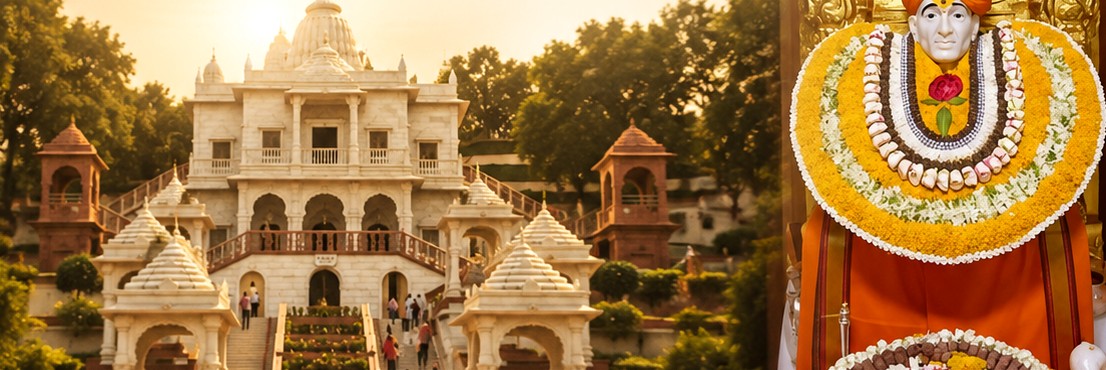
The day in Shirdi does not begin at sunrise — it begins while the town is still dark, when the first notes of the Kakad Aarti rise from the Samadhi Mandir. Understanding Shirdi aarti timings is the key to experiencing the town the way devoted pilgrims do, because the four daily aartis structure every hour of the temple’s rhythm. This guide explains each aarti — Kakad, Madhyan, Dhoop and Shej — its approximate timing, its significance, and how to attend, so you can plan your day around the rituals that have continued unbroken, according to tradition, since Sai Baba’s own lifetime.
The Four Aartis of Shirdi
Sai Baba, according to tradition, encouraged the singing of devotional songs and aartis by his devotees during his lifetime, and the practice crystallized into the four daily aartis observed at the Samadhi Mandir today. The table below gives the typical schedule; exact times shift through the year with sunrise, sunset and the lunar calendar, so confirm with temple authorities as schedules change.
| Aarti | Approximate Timing | Significance |
|---|---|---|
| Kakad Aarti | ~4:00–4:30 AM | Waking Baba; the day’s opening ritual |
| Madhyan (Noon) Aarti | ~12:00 PM | Midday worship and offering of bhog |
| Dhoop (Evening) Aarti | Around sunset, ~6:30–7:30 PM | Lamp-lit evening devotion |
| Shej Aarti | ~9:00–10:00 PM | Putting Baba to rest; the temple closes after |
Kakad Aarti: Waking Baba
The Kakad Aarti is the most cherished of the four. It is performed in the pre-dawn darkness, typically beginning around 4:00 to 4:30 AM, when the sanctum is illuminated by lamps and the sounds of the aarti resonate through the sleeping town. Devotees begin gathering well before, and the atmosphere — drowsy, hushed and expectant — is unlike any other hour in Shirdi.
The word “kakad” relates to the early wick-lamp offering, and the ritual symbolizes gently waking Baba for the day. According to tradition, this morning service echoes the love with which Baba’s close devotees once attended upon him. If you attend only one aarti in Shirdi, most seasoned pilgrims will point you here. Arrive early, dress warmly in winter months, and be prepared for a dense but serene crowd.
Madhyan Aarti: The Midday Ritual
The Madhyan Aarti is held around noon and marks the offering of the midday bhog to Baba. After the aarti, the sanctum settles into the bustle of the day’s busiest darshan period, as buses and trains deliver fresh waves of pilgrims. The noon aarti is comparatively shorter and less crowded than the dawn and evening services, which makes it a practical choice for devotees travelling with elderly family members or small children.
Many pilgrims pair the Madhyan Aarti with prasad from the Sansthan’s counters, then rest through the early afternoon before returning for the evening rituals — a sensible rhythm that echoes how our own Omkareshwar darshan timings guide pilgrims to pause during the midday break.
Dhoop Aarti: Evening Devotion
The Dhoop Aarti is performed around sunset, typically in the window from about 6:30 to 7:30 PM depending on the season. This is the most visually magnificent aarti of the day: lamps circle the statue, the samadhi is freshly adorned, and the energy of the crowd rises with the drums and cymbals. Families with children often choose this aarti because the hour is comfortable and the experience vivid and festive.
Arrive at least 45 to 60 minutes early to find a reasonable position, as the hall fills quickly. After the aarti, many devotees remain for shayan (rest) darshan, in which Baba’s statue is prepared for the night.
Shej Aarti: Putting Baba to Rest
The Shej Aarti, usually around 9 to 10 PM, is the day’s closing ritual. In this aarti, devotees symbolically put Baba to sleep — a tender inversion of the Kakad Aarti. According to tradition, the ritual remembers how devotees would accompany Baba from Dwarkamai to the Chavdi on alternate nights, carrying lamps and singing bhajans in procession.
The Shej Aarti draws a smaller, deeply devoted crowd, and the temple closes after its conclusion. Attending it is a quiet, contemplative way to end a day in Shirdi; the lanes outside grow calm, and the town settles into stillness.
How to Attend an Aarti
Attendance at the aartis is generally free, but systems evolve with the crowds. The Sansthan has at various times distributed free aarti passes or tokens, particularly for Kakad and Shej Aarti, and has offered online booking through its official website and app. A few practical points:
- Check the current system on the official Sai Sansthan channels before your travel date; do not buy passes from touts.
- Arrive early — 30 to 60 minutes before the stated aarti time, and earlier on Thursdays and weekends.
- Deposit mobile phones at the designated counters, as they are not permitted inside the sanctum.
- Dress modestly and keep belongings light; cloakroom facilities are available near the complex.
- Festival days change everything — during Ram Navami, Guru Purnima and Vijayadashami, aarti timings and crowd management follow special schedules, and our guide to Shirdi festivals explains what to expect.
Summary
The four aartis of Shirdi — Kakad, Madhyan, Dhoop and Shej — trace the full arc of a day lived in Baba’s presence, from the lamp-lit waking before dawn to the gentle putting-to-rest at night. Plan your darshan around at least one of them, ideally the Kakad Aarti for its incomparable intimacy, verify current timings and pass systems with the Sansthan, and allow the temple’s daily rhythm to shape your own. To make the most of the hours between rituals, pair this schedule with our complete Shirdi Sai Baba darshan guide, and you will leave the town with the kind of unhurried, immersive experience pilgrims remember for a lifetime.
Frequently Asked Questions
What are the four daily aartis at the Shirdi Samadhi Mandir?
The four aartis are Kakad Aarti in the pre-dawn hours (approximately 4:00 to 4:30 AM), Madhyan Aarti around noon, Dhoop Aarti around sunset, and Shej Aarti at night (approximately 9 to 10 PM). Timings vary by season and lunar date, so confirm with temple authorities as schedules change.
Do I need a pass to attend aarti in Shirdi?
Aarti attendance is generally free, but the Sansthan has at various times issued aarti passes or tokens to manage crowds, particularly for Kakad and Shej Aarti. Check the official Sai Sansthan website, app or counters for the current system before your visit.
Which aarti is the best to attend?
Kakad Aarti is considered the most special for its intimacy and the symbolism of waking Baba, while Dhoop Aarti in the evening offers a luminous, festive atmosphere that suits families. Each has its own character, and many devotees try to attend all four over a single day in Shirdi.