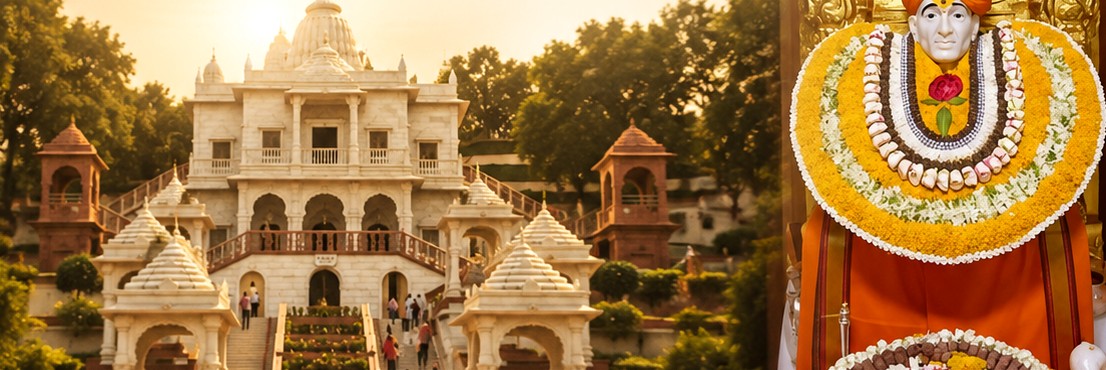
Few blessings are awaited with as much longing as Pandharpur Vitthal darshan. Every year lakhs of devotees make their way to Pandharpur, the temple town in Solapur district of Maharashtra that stands beside the Chandrabhaga river, for a glimpse of Shri Vitthal — the beloved dark deity who stands upon a brick with his hands resting on his hips. Whether you visit on an ordinary weekday morning or in the company of lakhs of warkaris on Ashadhi Ekadashi, a little planning changes everything. This guide covers timings, the different types of darshan, and on-the-ground tips drawn from pilgrim experience so that your visit remains calm, safe and full of bhava.
The Vitthal-Rukmini Mandir at a Glance
The Shri Vitthal-Rukmini Mandir is the spiritual heart of Pandharpur and among the most visited temples in Maharashtra. According to tradition, Vitthal — also lovingly called Vithoba or Pandurang — is a form of Krishna or Vishnu who came in search of his devotee Pundalik. As the story is told, Pundalik was so absorbed in serving his elderly parents that when the Lord appeared at his doorstep, the young devotee simply threw a brick for him to stand on and asked him to wait. Moved by such single-minded devotion to one’s parents, the Lord is said to have waited — and then stayed on forever in that very posture, arms akimbo, patient and available to all who call on him.
The temple that grew around this shrine is a large complex of stone mandaps, courtyards and towering deepmalas, its gates steeped in warkari memory. Rukmini Devi, the Lord’s consort, has her own separate shrine a short walk away near the river, and devotees traditionally combine both darshans in a single visit; our Rukmini temple guide explains that custom in detail.
Darshan Timings and Daily Rituals
The temple day begins well before sunrise and ends late at night. The windows below are indicative — worship at Pandharpur flows with the ritual calendar, and ekadashi days, festivals and the wari season all alter the schedule. Confirm with temple authorities as schedules change, ideally through the temple trust office on arrival.
| Ritual or window | Approximate time | What to expect |
|---|---|---|
| Kakad aarti | Around 4:00–4:30 AM | Temple opens; the earliest and most serene darshan |
| Morning darshan | Approx. 4:30 AM – 11:30 AM | Steady flow; busiest after about 8 AM |
| Mahapooja | Around midday | Sanctum rituals; brief pauses in the queue |
| Afternoon closure | Approx. 12:00 – 4:00 PM | Doors close for the Lord’s rest and temple upkeep |
| Evening darshan | Approx. 4:00 – 10:00 PM | Aarti, kirtan and abhang singing in the halls |
| Shej aarti | Around 10:00–11:00 PM | The night ritual; the temple closes afterwards |
On ordinary weekdays the free darshan queue may clear in anywhere from roughly thirty minutes to an hour and a half. On weekends, ekadashi days and festival days, the same queue can take several hours, so elderly devotees and families with small children should aim for the earliest slot possible.
Types of Darshan and Seva Options
Devotees at Pandharpur commonly speak of three broad ways of taking darshan:
- Mukh darshan (sarva darshan): the free general queue, which winds through the sabha mandap and gives every pilgrim a direct glimpse of the deity’s face. This is the route most visitors take.
- Charan darshan: according to long-standing custom, certain sevas and designated slots allow worshippers to reverence the Lord’s feet from very close quarters. Because this darshan is tied to specific sevas and timings, always enquire at the temple office rather than with agents outside.
- Seva darshan: sevas such as mahapooja, abhishek, alankar and naivedya are performed for devotees who book them, and participating in a seva naturally includes a closer darshan. Indicative contributions range from a few hundred to a few thousand rupees depending on the seva — confirm the current amounts at the temple office at the time of booking.
Whatever queue you stand in, it helps to remember the warkari ideal that made this temple famous: darshan is taken not only through the eyes but through the heart, accompanied by nam-smaran as the line slowly moves forward.
Darshan During Ekadashi and the Wari
Ekadashi transforms Pandharpur. On the eleventh day of each lunar fortnight the town fills with warkaris who have vowed to see Vitthal on this sacred day, and the queues grow accordingly. The greatest of all these occasions is Ashadhi Ekadashi, when the palkhis of Sant Dnyaneshwar from Alandi and Sant Tukaram from Dehu arrive after a walking pilgrimage of approximately 230 to 250 kilometres, and lakhs of devotees pour into the town. On such days darshan can take many hours; seasoned pilgrims arrive a day early, choose either the pre-dawn or late-evening window, and keep their schedules deliberately loose. Kartiki Ekadashi, falling around October to December, is the second great yatra — noticeably less crowded and blessed with pleasant weather.
Practical Tips for a Smooth Darshan
- Reach early. The hours just after kakad aarti offer the shortest queues and the coolest weather, especially in summer.
- Travel light. Footwear and mobile phones must be left at the designated deposit counters outside; cameras are generally not permitted inside the complex, so plan your photographs around the temple exteriors and the river.
- Enter through Namdev Payari. Many devotees traditionally enter through the gate associated with Sant Namdev; according to tradition, the saint’s samadhi rests within the very steps of this entrance, and warkaris pay their respects here as they pass.
- Prepare for the weather. The queue sheds offer shade but little protection from heat or rain, so carry water, and head cover in summer and a light rain jacket in the monsoon months.
- Ask about assistance. On festival days volunteers and trust staff manage the crowds, and separate arrangements for senior citizens and the differently abled are sometimes available — ask at the queue points, as arrangements vary.
- Eat well, eat simply. Several trusts serve free anna daan or bhandara during the yatra period, and small eating houses around the temple serve simple vegetarian Maharashtrian food; timings and availability vary.
- Plan the journey as carefully as the darshan. Our guide to reaching Pandharpur covers trains, buses and driving routes so that you arrive rested rather than rushed.
Summary
Pandharpur Vitthal darshan is at once simple and profound: a standing Lord who, according to tradition, has been waiting for his devotees for centuries, asking nothing but love. Plan around the indicative timings — early morning kakad aarti, a midday break and a long evening window — while remembering to confirm with temple authorities as schedules change. Choose your darshan type thoughtfully, respect the queue culture of the warkaris, and keep your belongings light. Visit Rukmini Devi’s shrine as part of the same pilgrimage, and if your calendar allows, experience the town both on a quiet weekday and during the great ekadashi gatherings, when the abhangs of the saints still echo off the old stone walls. May Pandurang receive you as he receives everyone — with open arms and endless patience.
Frequently Asked Questions
What are the darshan timings at the Pandharpur Vitthal temple?
The temple traditionally opens before dawn with the kakad aarti, remains open through the morning, observes an afternoon break, and reopens until late evening. Exact windows shift with rituals and festivals, so confirm with temple authorities as schedules change.
How long does Vitthal darshan take on a normal day?
On quiet weekdays the queue often moves within approximately thirty minutes to an hour and a half, while weekends and ekadashi days can stretch to several hours. Arriving in the early morning is the most reliable way to shorten the wait.
What is charan darshan at Pandharpur?
According to temple custom, certain sevas and time slots allow devotees to worship the Lord's feet from very close quarters, popularly called charan or pad darshan. Availability and procedure are managed by the temple office, so enquire there on arrival.
Can we visit Rukmini's shrine on the same trip?
Yes. Rukmini Devi has a separate shrine a short walk from the main mandir, and most devotees include it in the same visit. Local custom encourages taking her darshan first, before standing before Vitthal.