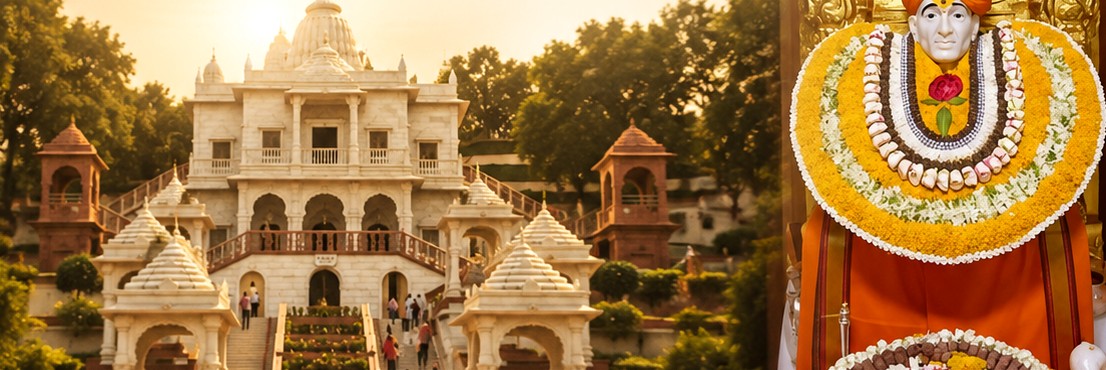
The Bhasma Aarti at Mahakaleshwar is among the most extraordinary daily rituals in the Hindu temple world — a pre-dawn ceremony in which sacred ash (bhasma) is ceremonially offered to the south-facing Jyotirlinga of Mahakal, the Lord of Time, at Ujjain in Madhya Pradesh. For generations, devotees have planned entire journeys around those few dark hours before dawn. Because attendance is regulated through an official registration process, understanding the timings, pass procedure, ID requirements and etiquette beforehand is essential for a serene experience.
What Makes the Bhasma Aarti Unique
Most temple aartis are offered with lamps, flowers and incense. At Mahakaleshwar, according to a custom upheld for centuries, the pre-dawn ritual culminates with the offering of sacred ash to the linga itself — a practice so distinctive that it has become the shrine’s signature. For devotees, the ash carries a profound message: everything in creation is ultimately reduced to ash, and Mahakal, the great Lord of Time who consumes all, stands serenely beyond time itself.
The ritual is closely tied to the linga’s rare Dakshinamukhi (south-facing) orientation, in which Shiva is revered as the conqueror of death. It is this daily meditation on impermanence — rendered with conches, bells and deep chanting in the darkest hour of the night — that makes the Bhasma Aarti an intensely moving experience, even for first-time visitors who arrive knowing little of its background.
Bhasma Aarti Timings
The aarti is a pre-dawn ritual generally beginning at approximately 4:00 AM. Devotees are usually expected to assemble well before, as security checks and seating take considerable time. The outline below reflects commonly reported timings; always confirm with temple authorities, as schedules change with the seasons and on festival days.
| Moment of the night | Typical time (approx.) |
|---|---|
| Devotees begin assembling outside the complex | From roughly 1:00–2:00 AM |
| Security checks, entry and seating | Roughly 2:00–3:00 AM |
| Preparatory rituals inside the sanctum | Approximately 3:00–3:30 AM |
| Bhasma Aarti begins | Approximately 4:00 AM |
| Aarti concludes; regular darshan resumes | Roughly 5:30–6:00 AM |
Registration, Passes and ID
Attendance for the Bhasma Aarti is managed through the official registration process of the Mahakaleshwar temple trust, which has commonly taken the form of an online pass system with a limited number of daily slots. A few important points:
- Register in advance through the temple trust’s official website or authorised counters, and steer clear of unofficial agents claiming guaranteed passes.
- Carry original government photo ID (such as Aadhaar, passport or voter ID) matching the name on the registration.
- Each attendee typically needs individual registration, including family members; rules for young children have varied, so check the current policy.
- A limited number of on-the-spot slots have been released in past practice, but queues for these begin hours earlier and cannot be relied upon.
- Rules and procedures are periodically revised — always confirm the latest process through official temple channels before you travel.
What to Expect During the Ritual
The night begins with long, orderly queues and a palpable hush. After entry, devotees are typically seated in waiting areas where the Mahamrityunjaya mantra and other traditional chants fill the hours. As the sanctum opens, the linga — bathed and adorned during the preparatory rituals — is revealed to the sounding of conches and bells.
The most awaited moment comes when the sanctum is briefly screened while the sacred ash, prepared by the temple according to its own ritual tradition, is offered to Mahakal; the screen then lifts for darshan. Both men and women devotees may register, with separate queue and seating arrangements in place per current practice — though policies evolve, so verify the rules at the time of booking. After the aarti, the temple flows into its regular morning darshan; the complete daily ritual sequence is covered in our Mahakaleshwar darshan timings guide.
Tips for a Peaceful Experience
- Arrive the previous evening. A pre-dawn start is far easier when you stay within walking distance of the temple the night before. Ujjain is well connected by rail and road — see our guide to reaching Ujjain.
- Dress traditionally and comfortably. Modest, devotional clothing is expected; winter nights can be chilly, so carry a light shawl.
- Travel light. Mobile phones, cameras and leather items are generally not permitted in the inner areas; use the cloakroom facilities.
- Choose your day carefully. Mondays, the weeks of Shravan, full-moon days and above all Maha Shivratri draw enormous crowds — much as the great night of Shiva transforms the sister Jyotirlinga of Omkareshwar, which we describe in our Maha Shivratri at Omkareshwar guide. A weekday visit is noticeably calmer.
- Look after elderly companions. The wait involves prolonged standing and floor seating; assistance and wheelchair arrangements may be available — confirm in advance.
- Stay hydrated, and keep a small snack for after the aarti, as the whole experience spans several hours.
Summary
The Bhasma Aarti at Mahakaleshwar is a once-in-a-lifetime experience for most Shiva devotees: sacred ash offered to the south-facing Jyotirlinga in the pre-dawn dark, the sound of conches, and the profound stillness of Mahakal’s darshan. Register through official channels, carry valid photo ID, arrive the previous evening, and confirm all timings with the temple authorities as schedules and rules change. Planned with a little care, the night of the Bhasma Aarti becomes not a logistical ordeal but the deepest memory of your entire Ujjain yatra.
Frequently Asked Questions
What time is the Bhasma Aarti at Mahakaleshwar?
The Bhasma Aarti is a pre-dawn ritual that generally begins at approximately 4:00 AM, with devotees usually asked to assemble well before that. Exact timings shift with the seasons and temple decisions, so confirm the current schedule with the temple authorities before your visit.
How do I register for the Bhasma Aarti?
Attendance is managed through the official temple trust's registration process, which has commonly included an online pass system linked to a government photo ID. Slots are limited and rules are periodically revised, so always check the official Mahakaleshwar channels before travelling.
Can women attend the Bhasma Aarti?
Yes, in recent years both men and women devotees have been able to register for the Bhasma Aarti, with separate queue and seating arrangements in place. Policies evolve over time, so confirm the current rules through official channels when you book.