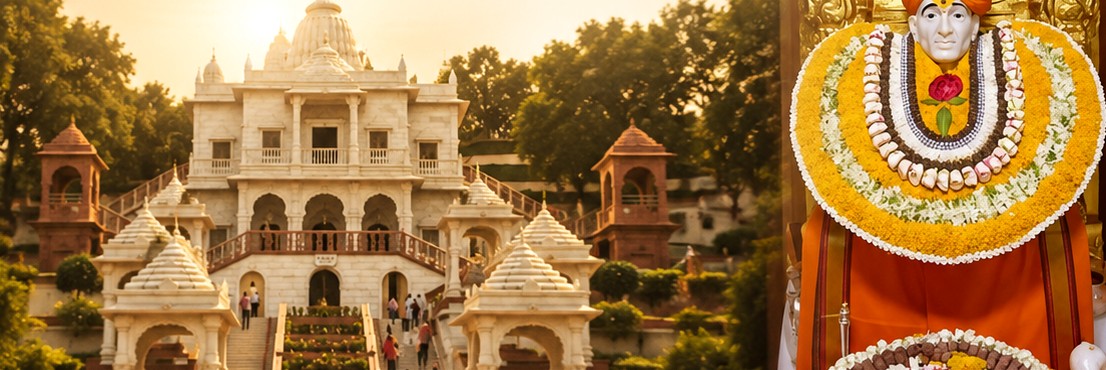
Planning your day around Mahakaleshwar darshan timings is the single most useful thing you can do before visiting Ujjain. The great Jyotirlinga’s day runs from the pre-dawn Bhasma Aarti at approximately 4:00 AM to a late-night closing, unfolding as one continuous sequence of rituals — bathing, adornment, offerings, aartis and darshan windows in between. Knowing the rhythm helps you choose a peaceful slot, avoid the thickest queues and witness the ceremonies that matter most to you.
Daily Darshan Schedule (Approximate)
The temple functions from well before sunrise to late at night. The table below is a typical outline based on commonly published schedules — timings shift with the seasons, lunar calendar and trust decisions, so confirm with temple authorities as schedules change.
| Ritual / darshan window | Typical time (approx.) |
|---|---|
| Sanctum opens; preparatory rituals | Around 3:00–3:30 AM |
| Bhasma Aarti | Approximately 4:00–5:30 AM |
| Morning darshan | From roughly 6:00 AM |
| Abhishek and puja sessions | Morning to late morning |
| Mahabhog (naivedya) pause | Around midday, commonly under an hour |
| Afternoon darshan | Early to late afternoon |
| Sandhya (evening) aarti | Around 7:00 PM, season-dependent |
| Shayan (night) aarti | Roughly 9:00 PM or later |
| Temple closes for the night | Around 11:00 PM |
The Bhasma Aarti Slot
The jewel of the daily schedule is the pre-dawn Bhasma Aarti, in which sacred ash is offered to the south-facing linga. Attendance for this ritual is regulated through the temple trust’s official registration process with photo ID, and devotees typically assemble from roughly 1:00–2:00 AM. Because passes are limited and rules evolve, it deserves its own detailed treatment — see our complete Bhasma Aarti registration and timings guide. If you do not hold a pass, regular darshan after approximately 6:00 AM still allows a full and satisfying visit.
The Rhythm of Aartis, Abhishek and Puja
Through the morning, the linga receives a sequence of ritual baths and worship — sessions that devotees can often witness from the darshan lines, and which reach a rich intensity in the Rudrabhishek offerings traditionally performed in the morning hours. Around midday the sanctum pauses for Mahabhog, the ceremonial food offering, when darshan briefly halts. The evening Sandhya Aarti — with lamps, conches and bells filling the hall — is the most atmospheric time for casual visitors, followed later at night by the gentle Shayan Aarti, the ceremony of putting the Lord to rest. Bookable abhishek slots and their charges vary; check availability and confirm costs at booking through official counters or online channels.
Between the ceremonies, the temple also runs prasad and naivedya counters, and many devotees like to carry back a token of the Lord’s food offering. Small eateries and bhandara stalls around the complex serve pilgrims through the day — a welcome pause during long waits, though hygiene and pricing vary, so favour the busy stalls. Keep a little dry prasad or fruit with you for children and elders in the queue, where meals can be delayed by several hours on busy days.
Mondays, Weekends and Festival Crowds
As with all major Shiva shrines, Monday is Mahakaleshwar’s busiest weekday, and Shravan Mondays multiply the rush several-fold. Maha Shivratri is the year’s overwhelming peak, drawing lakhs of devotees, while weekends, full-moon days and school holidays also swell the queues. If your dates are flexible, aim for an ordinary Tuesday-to-Friday morning, ideally right after the Bhasma Aarti concludes — you get the temple’s freshest energy with a fraction of the crowd. During festival weeks, build in buffer time, as darshan can take several hours.
Through the month of Shravan, the whole city hums: kanwaria processions fill the highways, queues snake far beyond the complex, and the approximately 4:00 AM aarti becomes a standing-all-night affair. On ordinary Mondays, arriving before about 7:00 AM or after about 8:00 PM has generally meant shorter waits — but crowd patterns shift constantly, so treat this as a rule of thumb rather than a guarantee.
Queues, Free Darshan and Paid Options
The temple operates extensive barricaded queue complexes, and waiting times range from minutes on quiet mornings to several hours on peak days. Alongside the free darshan line, express or paid darshan passes and bookable abhishek permits have commonly been available; indicative charges have generally been in the range of a few hundred rupees, but rates and availability change — confirm at booking through official channels only, and avoid touts. Phones and cameras are normally not allowed inside the sanctum; use the cloakrooms. Volunteers and police manage the lines with great patience — cooperating with them keeps everything moving for everyone.
Planning a Combined Visit
Most pilgrims pair their darshan with the adjoining Mahakal Lok corridor, whose monumental pillars and statuary make for a memorable walk between temple sessions — our Mahakal Lok visitor guide covers what to see and the best hours. A comfortable plan is darshan in the early morning, the corridor and a rest through midday, an evening return for the Sandhya Aarti, and — if time permits — the riverside aarti at Ram Ghat before dinner.
Summary
Mahakaleshwar darshan timings revolve around a temple day that begins in the pre-dawn dark with the Bhasma Aarti at approximately 4:00 AM and closes near 11:00 PM, woven with abhishek, Mahabhog, evening and night aartis. Arrive early on a weekday for the calmest experience, register ahead if you wish to witness the Bhasma Aarti, consider express passes only through official channels, and always confirm current schedules with the temple authorities — because at Mahakal’s house, it is time itself that sets the timetable.
Frequently Asked Questions
What are the darshan timings of Mahakaleshwar temple?
The temple typically opens in the pre-dawn hours for the Bhasma Aarti at approximately 4:00 AM and remains open until roughly 11:00 PM, with darshan continuing through the day apart from short ritual pauses around midday and at aarti times. Schedules change with seasons and festivals, so confirm with temple authorities.
When should I visit Mahakaleshwar to avoid crowds?
Early weekday mornings soon after the Bhasma Aarti, and ordinary midweek afternoons, are usually the calmest windows. Avoid Mondays, Shravan weeks, weekends, school holidays and Maha Shivratri, when queues are at their longest.
Is there a paid or VIP darshan option at Mahakaleshwar?
The temple trust has commonly offered express darshan passes and bookable abhishek slots alongside free darshan queues. Availability and charges vary over time, so confirm current options and rates at booking through official counters or channels.