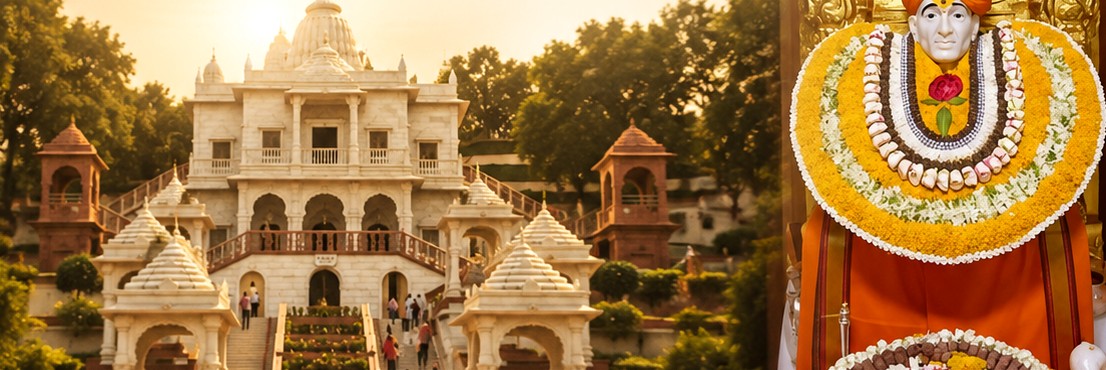
A well-paced 2 days in Omkareshwar gives you enough time for Jyotirlinga darshan, the island parikrama, the riverside aarti and even a short boat ride on the Narmada — without rushing the sacred experience. This weekend Omkareshwar itinerary helps pilgrims plan each morning, afternoon and evening so the trip feels both complete and restful.
Why Two Days Is the Sweet Spot
Omkareshwar is one of the twelve Jyotirlingas of Lord Shiva, set on an island shaped like the sacred “Om” in the Narmada river. While the main temple can be visited in a few hours, the true feel of the tirtha emerges when you slow down — for the parikrama path, the quieter ghats and the twin temple of Mamleshwar on the south bank. Two days also let elders and families rest between activities, which is especially important in the warmer months.
At a Glance — Your Two-Day Plan
| Time | Day 1 — Island & Aarti | Day 2 — Mamleshwar & Around |
|---|---|---|
| Early morning | Omkareshwar Jyotirlinga darshan | Mamleshwar (Amareshwar) temple darshan |
| Mid-morning | Boiled milk tea at ghat, light breakfast | Boat ride on the Narmada |
| Afternoon | Lunch & rest at Bhakt Niwas | Siddhanath temple & nearby viewpoint |
| Late afternoon | Begin island parikrama | Free time at the ghats, photography |
| Evening | Narmada aarti & dinner | Optional bhandara or quiet prayers |
This rhythm balances devotion with realistic energy levels. For exact aarti and darshan slots, refer to the darshan timings & aarti schedule before finalising your day.
Day 1 — Darshan, Parikrama and the Narmada Aarti
Early Morning: Omkareshwar Jyotirlinga Darshan
Begin your trip with the main darshan at the Omkareshwar temple on the island. Arriving soon after the temple opens usually means shorter queues and a calmer atmosphere. After paying obeisance to the Jyotirlinga, take a few quiet moments at the inner sanctum — this is the spiritual anchor of your entire journey.
Mid-Morning: The Boat Ride and Breakfast
A short boat ride across the Narmada is both practical and beautiful. The boat ferries pilgrims between the banks and the island, and the view of the temple shikharas rising from the water stays with you. Once back on solid ground, enjoy a simple breakfast — most pilgrim eateries near the ghats serve poha, tea and fresh fruit.
Afternoon: Rest Before the Parikrama
The island parikrama is best attempted when you are refreshed, so return to the Sansthan for lunch and a short rest. Our Bhakt Niwas accommodation guide explains the room options, from budget dormitories to family suites, so you can choose what suits your group.
Late Afternoon: The Island Parikrama
The parikrama path circles the sacred Om-shaped island and passes several small shrines, ashrams and stone steps. It takes roughly two to three hours at a steady pace. Wear comfortable walking shoes, carry drinking water and start before the sun gets low. The full route and its key stops are described in the Omkareshwar parikrama route guide.
Evening: Narmada Aarti
As dusk settles, gather at the ghats for the evening Narmada aarti — lamps, bells and chants along the river create a deeply moving atmosphere. This is often the moment pilgrims remember long after they return home.
Day 2 — Mamleshwar, Ghats and Nearby Siddhanath
Morning: Mamleshwar (Amareshwar) Temple
Day 2 begins at the Mamleshwar temple, also known as Amareshwar, on the south bank. Tradition holds that the two temples together complete the Omkareshwar tirtha — many devotees consider darshan complete only after visiting both. The older stone architecture here is quieter and very peaceful.
Mid-Morning: Boat Ride and Riverside Ghats
If you skipped the boat on Day 1, do it this morning when the light is soft. Spend time at the sacred ghats — sit, reflect, and watch the river flow. Pilgrims often perform a small personal puja or simply offer a flower to the Narmada.
Afternoon: Siddhanath Temple and the Surroundings
A short trip from the main complex takes you to the Siddhanath temple, an ancient shrine with striking architecture and fine carvings. It is less crowded than the island temple and rewards visitors who enjoy history alongside devotion. The surrounding hilltop views over the Narmada are stunning at sunset.
Evening: Reflection, Bhandara or Quiet Prayers
Reserve your final evening for whatever your heart seeks — a community meal through bhandara seva, a last aarti, or simply silent sitting by the river. If you are travelling with children or elders, this slower end is ideal; see our family trip to Omkareshwar guide for pacing with different age groups.
Practical Tips for This Itinerary
- Stay close to the temple. Walking distances are short when you stay at the Sansthan, which saves energy for darshan and parikrama.
- Respect queue systems. Festival days and weekends draw larger crowds; arriving early helps.
- Stay hydrated. Especially from April to June, carry water during the parikrama.
- Dress modestly. Traditional or simple clothing is appropriate at all temples and ghats.
- Carry some cash. Small offerings, boat fares and auto rides still work best with cash, though UPI is increasingly accepted.
Where to Stay During Your Two Days
Choosing the right base makes a two-day trip far smoother. The Sansthan offers clean, secure rooms within easy walking distance of the ghats and temple. Whether you need a budget-friendly dormitory for a group of pilgrims or a quiet AC room for a family, options exist to suit most needs — and confirm rates at the time of booking, as they vary by season.
Summary
Two days in Omkareshwar is the ideal span for a meaningful, unhurried pilgrimage: Day 1 for Omkareshwar Jyotirlinga darshan, the island parikrama and the evening Narmada aarti; Day 2 for the quieter Mamleshwar temple, the river ghats and the historic Siddhanath shrine. With a sensible pace, modest dress, comfortable stay and a spirit of devotion, your weekend trip to this sacred Jyotirlinga can be both fulfilling and deeply memorable.
Frequently Asked Questions
Is 2 days enough for Omkareshwar?
Yes, two days is an ideal span for Omkareshwar. Day 1 can cover Jyotirlinga darshan, aarti and the parikrama, while Day 2 lets you visit Mamleshwar, the ghats and nearby Siddhanath temple at an unhurried pace.
What is the best time of day for Omkareshwar darshan?
Early morning, around the opening of the temple, is the most peaceful time for darshan. The evening Narmada aarti at the ghats is another highlight that should not be missed.
How long is the Omkareshwar parikrama?
The Omkareshwar parikrama walk around the sacred island takes roughly two to three hours at a steady pace, including temple stops, steps and riverside stretches.