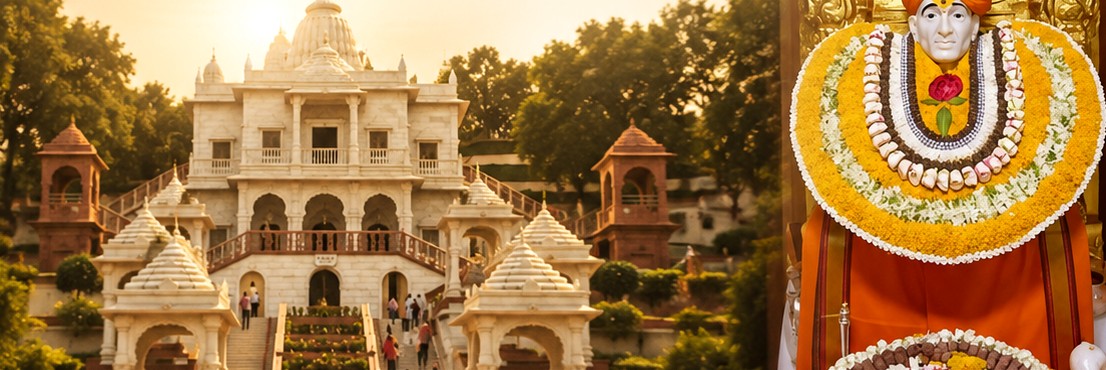
A family trip to Omkareshwar is one of the most rewarding ways to experience this Jyotirlinga — three generations walking together toward the Narmada, children wide-eyed at the lamps of the evening aarti, grandparents finding peace at the ghats. But travelling with both kids and elderly members calls for thoughtful pacing, the right accommodation, and a few practical safeguards. This guide offers an itinerary, family-friendly stay advice, crowd-avoidance tips, food and water safety, and ways to make the parikrama gentle for older pilgrims.
Why Omkareshwar Is Good for Families
Omkareshwar combines spiritual depth with a compact, walkable geography that suits multi-generational groups. The temple, ghats, and main stays are clustered together, which means less walking between key sites than at larger pilgrimage towns. The boat ride across the Narmada, the suspension bridge, and the spectacle of the aarti give children memorable, sensory experiences, while the calm of the river and the rhythm of ritual offer elderly family members genuine rest and renewal.
The town is also firmly vegetarian, family-oriented, and safe, with a culture that naturally respects elders and accommodates children.
Planning Your Pacing
The single most important principle for a family Omkareshwar trip is slow pacing. Pack less into each day than you would for a solo trip, and build in generous rest windows.
| Time of Day | Activity | Why It Works for Families |
|---|---|---|
| Early morning | Ghat bath (optional), temple darshan | Cool, quiet, less crowded |
| Late morning | Return to room, breakfast, rest | Avoids heat; refuels kids and elders |
| Afternoon | Rest, short stroll, lunch | Honours the temple’s afternoon break |
| Late afternoon | Boat ride, walk the bridge | Fun, low-effort, scenic |
| Sunset | Narmada aarti at the ghats | The highlight for all ages |
| Evening | Simple dinner, early sleep | Recovery for the next day |
This rhythm keeps everyone fresh and prevents the fatigue that turns a pilgrimage into an ordeal. For a more detailed two-day structure, see our two days in Omkareshwar itinerary.
Choosing a Family-Friendly Stay
For families, the right room is non-negotiable. Prioritise:
- AC rooms — essential from April to June, when Omkareshwar gets genuinely hot.
- Attached bathroom with hot water — for children’s and elders’ comfort.
- Proximity to the temple — under a 15-minute walk, ideally less.
- Pure-veg meal options — either in-house or very close by.
- Quiet and safety — a trusted trust-run property offers reassurance.
The Gajanan Maharaj Sansthan Bhakt Niwas is well suited to families precisely because it offers clean AC rooms, an institutional standard of safety, and walking-distance access to the temple. Our Bhakt Niwas rooms and accommodation guide covers room categories and what to expect.
Booking well in advance is critical for family travel, since adjoining rooms or larger family rooms are limited and go quickly during festivals.
When to Go (and When to Avoid Crowds)
The best time to visit Omkareshwar with family is from October to March, when the weather is pleasant and walking is comfortable. Within this window:
- Prefer weekdays over weekends for smaller crowds.
- Avoid Maha Shivratri and Shravan Mondays unless attending the festival is itself the purpose — crowds then are immense and accommodations overfull.
- November to February mornings are ideal — cool, clear, and calm.
For a full seasonal breakdown, see our guide on the best time to visit Omkareshwar.
Food and Water Safety
Travelling with children and elders makes food and water safety paramount:
- Drink only sealed bottled or filtered water — avoid tap water and ice from unknown sources.
- Eat at clean, busy pure-veg bhojanalayas — high turnover means fresher food.
- Prefer freshly cooked hot meals — thalis, roti-sabzi, dal-chawal.
- Avoid raw salads and cut fruit from street carts unless you can peel it yourself.
- Carry ORS sachets and basic medicines — for any stomach upsets.
- Keep children’s snacks handy — familiar biscuits or dry fruit for between meals.
Omkareshwar’s food is simple and vegetarian, which suits most families well, but cautious choices keep everyone well.
The Boat Ride: A Highlight for Kids
For children, the boat ride across the Narmada is often the most exciting part of the trip. Small wooden boats ferry pilgrims between the island and the south bank, and the gentle drift on the river — with the temple shikharas rising above and the Om-shaped island visible from the water — is genuinely magical for young travellers.
Tips for the family boat ride:
- Use the life jackets if provided, especially for children.
- Hold young children firmly and seat them in the centre.
- Go in the late afternoon for the best light and temperature.
- Combine it with a visit to Mamleshwar across the water for a complete experience.
Elderly-Friendly Parikrama Tips
The Omkareshwar island parikrama (~5-8 km, a few hours) is achievable for many elderly pilgrims — with care:
- Start very early to beat the heat and crowds.
- Walk in short segments, resting at shrines and benches.
- Carry a sturdy walking stick for the stone steps.
- Wear grippy, supportive sandals.
- Stay hydrated — carry water for everyone.
- Assign one family member to walk alongside the eldest, setting the pace.
- Be willing to stop — partial parikrama with full devotion is still complete.
If an elderly member cannot manage the walk, they can wait in a shaded spot near the ghats, take darshan at the main temple, and enjoy the aarti — all of which are fully meritorious.
Managing Children During Darshan
Temples can be overwhelming for young children. A few practices help:
- Brief children beforehand about staying quiet and respectful inside.
- Carry a small snack and water for after the darshan queue.
- Visit at off-peak hours to keep waiting times short.
- Take turns if the queue is long, so one adult waits while another rests with the kids.
- Use the aarti and boat ride as the “fun” anchors of the day.
A Sample Two-Day Family Itinerary
Day 1: Arrival and the Narmada
- Afternoon arrival, check-in, light lunch, and rest.
- Late afternoon boat ride and a walk across the suspension bridge.
- Sunset Narmada aarti at the ghats.
- Early dinner and sleep.
Day 2: Darshan and Departure
- Early morning ghat bath (optional) and Omkareshwar darshan.
- Breakfast and rest at the room.
- Short parikrama or temple visit to Mamleshwar.
- Lunch and departure.
This keeps the trip manageable for all ages while covering the essential experiences.
Summary
A family trip to Omkareshwar succeeds when you pace it slowly, choose a clean AC family room close to the temple, travel in the cool October-to-March window, and safeguard food and water for kids and elders. Make the boat ride and the sunset Narmada aarti the joyful centrepieces of your days, plan the parikrama gently for older members, and keep expectations realistic for children. With thoughtful planning — and a trusted stay such as the Gajanan Maharaj Sansthan Bhakt Niwas — your multi-generational Omkareshwar yatra will become a cherished family memory for years to come.
Frequently Asked Questions
Is Omkareshwar suitable for a family trip with kids and elderly?
Yes. Omkareshwar is a family-friendly pilgrimage, and with sensible pacing, an AC family room, and a relaxed itinerary, it works well for children and elderly members. The boat ride and evening aarti are particular highlights for all ages.
Where should a family stay in Omkareshwar?
Families should look for AC rooms in a temple-trust Bhakt Niwas or a clean mid-range hotel close to the temple. Proximity matters most so elderly members and children can rest between darshan and aarti.
Can elderly family members do the parikrama?
The short island parikrama (~5-8 km) is achievable for many elderly pilgrims if taken slowly, with rest stops and a walking stick. For those who tire easily, doing shorter segments or skipping the steepest sections is perfectly acceptable.