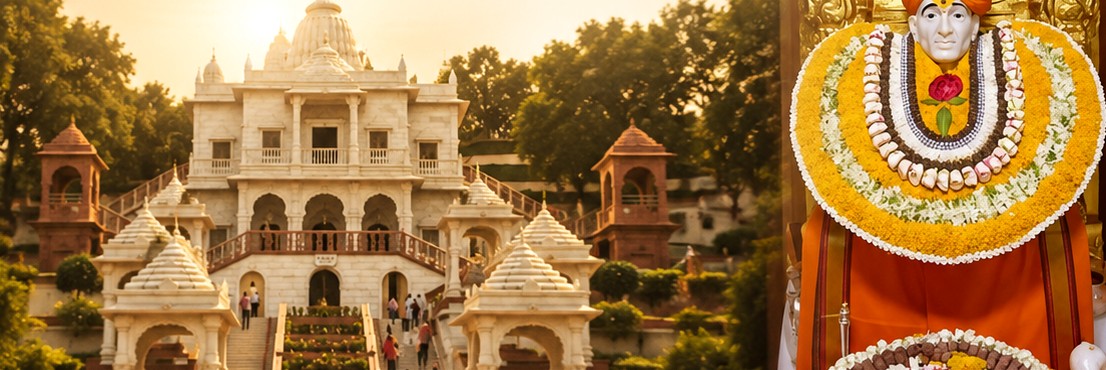
Knowing the Trimbakeshwar darshan timings before you travel can be the difference between a serene, unhurried darshan of the three-faced Jyotirlinga and hours spent in a swelling queue. Because Trimbak is a small town built entirely around one temple, crowd patterns are intensely concentrated: quiet on an ordinary Tuesday morning, oceanic on a Shravan Monday. This guide walks through typical opening and closing hours, the aarti schedule, Rudrabhishek slots, and how the queue system works — with the standing reminder to confirm with temple authorities as schedules change.
Daily Opening and Closing Timings
The temple follows a two-session day with a traditional afternoon break. The table below reflects the typical pattern reported by pilgrims; exact minutes vary by season, lunar calendar and administrative decisions.
| Session | Approx. Timing | Notes |
|---|---|---|
| Morning opening (Kakad Aarti) | ~5:30 AM | Quietest window for darshan |
| Morning darshan | ~5:30 AM – 12:30 PM | Steady flow; peaks after 9 AM |
| Afternoon break | ~12:30 PM – 4:00 PM | Sanctum closes for bhog and rituals |
| Evening darshan | ~4:00 PM – 9:00 PM | Popular with same-day travellers from Nashik |
| Shayan aarti and closing | ~9:00 PM | Temple closes for the night |
If your schedule allows only one visit, the first hour after opening is generally the most rewarding — the hill air is cool, the Kushavarta kund is tranquil, and darshan moves briskly. For background on the shrine itself, see our complete Trimbakeshwar Jyotirlinga guide.
Aarti Schedule
The daily aarti rhythm at Trimbakeshwar mirrors that of major Shiva shrines across India. The Kakad Aarti at approximately 5:30 AM opens the day, awakening the Lord with lamps and chant in the dim pre-dawn light. Through the morning, Rudrabhishek recitations fill the sanctum area with the cadence of Sri Rudram. In the evening, the Sandhya Aarti, usually in the 7:00 PM window, is the sensory centrepiece of the day: bells, conch and lamplight within the black stone walls.
On Mondays, Shravan Mondays in particular, and on pradosh days, the aarti schedule extends and the temple remains far more crowded. Arriving before 6:00 AM on such days is strongly advisable. Devotees who have experienced the evening aarti on the Narmada at Omkareshwar — where our Sansthan serves pilgrims daily — will find the Trimbakeshwar evening aarti similarly moving in its own, more intimate key; you can read about that experience in our darshan timings and aarti schedule article for Omkareshwar.
Rudrabhishek and Puja Slots
Devotees wishing to perform Rudrabhishek at the Trimbakeshwar Jyotirlinga generally do so in the morning session, with slots concentrated between approximately 7:00 AM and 11:30 AM. Bookings are made at the temple office on arrival or, in some seasons, through official online channels; procedures have changed over the years, so confirm the current process before travelling.
Typical seva options include:
- Rudrabhishek — recitation of Sri Rudram with holy water, milk and other offerings over the linga.
- Laghu Rudra — an extended recitation, often arranged on Mondays or auspicious lunar dates.
- Panchamrut Abhishek — a shorter abhishek suitable for families with limited time.
Note that the inner sanctum darshan remains brief for everyone, including seva participants, given the sensitive ornamentation of the linga. Seva is about the act of offering rather than extended time inside the garbhagriha.
Queue Management and Darshan Passes
Trimbakeshwar’s crowds are managed through a combination of the free general queue and, in recent years, a paid express darshan pass (sometimes called Sugam Darshan). Broadly:
- Free general queue — open to all; wait times range from roughly 30 minutes on quiet mornings to several hours on festival days.
- Paid express pass — shortens the wait considerably; pricing has varied over the years, so confirm the current fee and availability at the temple office or through official channels at the time of booking.
- Seva darshan — devotees who book an abhishek are typically guided into the sanctum area for their ritual, which includes darshan.
Barricaded lanes, cloakrooms for mobile phones and leather items, and police and temple-team stewarding are standard on busy days. Mobile phones and cameras are not permitted inside the sanctum, and secure storage is available near the entrance for a small charge. Pilgrims with elderly members or small children should travel in the cooler hours and consider the express option on crowded days for comfort.
Festival Days and Mahashivratri Crowds
Certain days transform Trimbak entirely. Mahashivratri draws devotees through the night, with darshan continuing for extended hours and queues that can stretch across the town. Shravan Mondays similarly multiply footfall, as does Tripuri Purnima, which by tradition is linked to the founding legend of Trimbakeshwar. During the Kumbh Mela years, the town hosts shahi snan processions at Kushavarta, and ordinary schedules are suspended altogether.
If your pilgrimage falls on any of these dates, plan for: arrival the previous evening, an early place in the queue, minimal belongings, and considerable patience. If instead you seek quiet, choose an ordinary weekday outside Shravan and the festival calendar — the temple then reveals its more contemplative side, and the climb to Gangadwar above can be done in comparative solitude. Travel logistics for reaching the town are covered in our guide to reaching Trimbakeshwar.
Summary
Trimbakeshwar darshan timings generally run from approximately 5:30 AM to 12:30 PM and from 4:00 PM to about 9:00 PM, with the Kakad Aarti at opening and the Sandhya Aarti in the evening as the day’s spiritual highlights. Rudrabhishek slots cluster in the morning and are best arranged in advance; queue options range from the free general line to paid express passes, subject to current temple administration policy. Above all, treat all timings here as indicative and confirm with temple authorities as schedules change — then arrive early, carry little, and let the darshan of the crowned, three-faced linga unfold at its own unhurried pace.
Frequently Asked Questions
What are the opening timings of Trimbakeshwar temple?
The temple typically opens at approximately 5:30 AM and remains open until around 12:30 PM, then reopens at approximately 4:00 PM and closes near 9:00 PM. These hours shift with seasons and festival dates, so confirm with temple authorities as schedules change.
Is there a VIP or paid darshan option at Trimbakeshwar?
In recent years the temple administration has offered paid express darshan passes at certain times, alongside the free general queue. Availability and pricing change, so verify current arrangements at the temple office or official channels before your visit.
What is the best time of day for peaceful darshan?
Early morning, soon after the temple opens at approximately 5:30 AM, is usually the calmest window. Weekday mornings are quieter than weekends, and the period just after the afternoon reopening is also manageable.