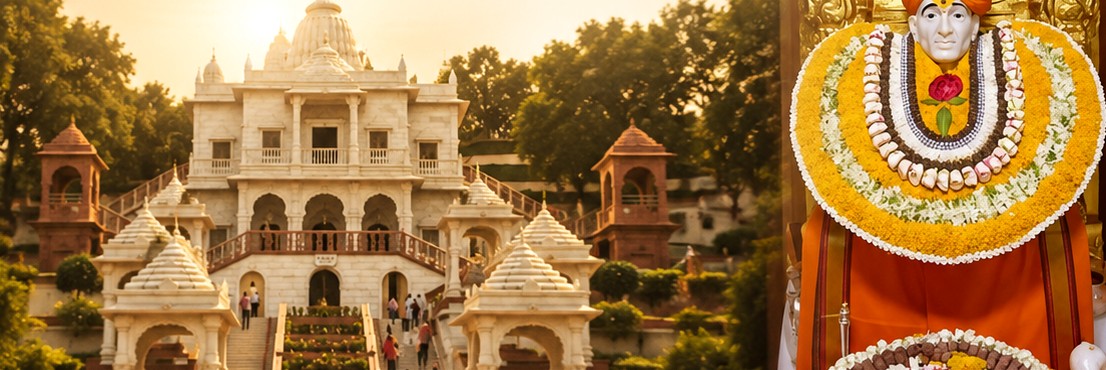
Performing puja and abhishek at the Omkareshwar Jyotirlinga is among the most cherished acts of devotion for any Shiva bhakta. As one of the twelve Jyotirlingas, this sacred linga on the Narmada’s Om-shaped island is believed to embody Lord Shiva himself, and the ritual bathing (abhishek) of the linga with milk, water, and sacred substances is said to purify the heart, remove obstacles, and grant blessings. This guide explains the types of puja available, how to book them, indicative costs, what is included, and the best way to prepare.
Why Abhishek at a Jyotirlinga Is Special
In Shaiva tradition, the Jyotirlinga is the limitless pillar of light — a formless manifestation of Shiva. Bathing the linga with offerings while chanting Vedic mantras is considered one of the highest forms of worship. Pilgrims undertake arduous journeys to the twelve Jyotirlingas precisely for this act, believing that abhishek performed with devotion burns away karma and fulfils righteous wishes.
At Omkareshwar, the experience is heightened by the river that surrounds the temple. Many devotees first bathe in the Narmada, then offer abhishek inside the sanctum — a sequence that mirrors the ancient order of purification before prayer.
Types of Puja and Abhishek
The Omkareshwar temple offers several categories of worship, from simple archana to elaborate abhishekams. The table below outlines the most common options.
| Puja / Abhishek | What It Involves | Typical Purpose |
|---|---|---|
| Jalabhishek | Bathing the linga with sanctified water | General devotion, daily merit |
| Panchamrit Abhishek | Milk, curd, ghee, honey, and sugar | Purification, prosperity |
| Rudrabhishek | Recitation of Sri Rudram with abhishek | Removal of obstacles, health |
| Laghu Rudra | Multiple rounds of Rudram chanting | Deeper spiritual merit |
| Maha Mrityunjaya Jaap/Puja | Chanting the Mrityunjaya mantra | Protection, longevity, healing |
Rudrabhishek
Rudrabhishek is the most sought-after offering at Omkareshwar. It involves bathing the linga while priests chant the Sri Rudram from the Yajur Veda — a powerful hymn that honours Shiva in all his forms. Devotees commonly sponsor it for the well-being of family, success in endeavours, or relief from persistent difficulties.
Maha Mrityunjaya Puja
This is the worship of Shiva in his Mrityunjaya (conqueror of death) form, centred on the chanting of the Maha Mrityunjaya Mantra. Many pilgrims offer it for the health and longevity of parents or for recovery from illness. It is one of the most emotionally resonant pujas performed here.
How to Book Puja at Omkareshwar
Booking is straightforward and handled at the temple itself:
- Locate the puja counter — there is a registration office near the main temple entrance where pujas are listed with their rates.
- Choose your puja — the staff will explain what each option includes and its cost.
- Receive a receipt — keep this slip; it confirms your slot and is shown to the pandit inside.
- Reach the sanctum on time — you will be guided to where your abhishek will be performed.
During festivals such as Maha Shivratri and Shravan month, demand is very high. Arriving in the early morning hours helps you secure a slot. Some pujas can also be arranged through trusted local pandits, but always prefer the official counter to avoid overcharging.
For darshan windows that fit around your puja, see our Omkareshwar darshan timings guide.
Indicative Costs (Always Confirm at Booking)
The following ranges are indicative only to help you budget; actual rates change and should be verified at the temple counter.
| Puja Type | Indicative Cost (INR) |
|---|---|
| Jalabhishek / simple archana | ~100 – 300 |
| Panchamrit Abhishek | ~300 – 700 |
| Rudrabhishek (basic) | ~500 – 1,500 |
| Laghu Rudra | ~1,500 – 5,000 |
| Maha Mrityunjaya Puja | ~1,100 – 3,500 |
These figures are starting points. Larger group pujas, additional materials, or special festival slots cost more. If you would also like to contribute to the temple’s seva work, our guide to Gajanan Maharaj Sansthan donation and seva explains how offerings support pilgrims.
What’s Included and What to Bring
Most booked pujas include the services of a pandit, all ritual materials, and the prasad (sacrament) distributed afterwards. You generally do not need to carry anything, but many devotees like to bring:
- A small container of Ganga jal or Narmada water for the final bath.
- Extra bel (bilva) leaves or flowers as a personal offering.
- A new cloth or small vastra to offer the linga (optional).
- Your gotra and name details, which the pandit will use in the sankalpa.
Wear modest, traditional clothing — dhoti or saree is ideal — and avoid leather items inside the sanctum.
Omkareshwar or Mamleshwar — Which to Choose?
Omkareshwar actually comprises two Jyotirlinga temples: the main Omkareshwar on the island, and Mamleshwar (Amareshwar) on the south bank. Many devotees perform abhishek at both, as both are considered part of the same sacred whole. Our comparison of Mamleshwar vs Omkareshwar explains their differences in detail.
If time is limited, the island Omkareshwar temple is the more commonly chosen site for major abhishekams, while Mamleshwar offers a quieter, equally ancient alternative.
Timings for Puja and Abhishek
Abhishek is generally performed during the temple’s regular darshan hours, with a break in the afternoon:
- Morning: from around sunrise (~6:00 AM or earlier) until about 12:30 PM.
- Afternoon break: roughly 1:00 PM – 4:30 PM (temple may close or limit darshan).
- Evening: from around 4:30 PM until the night aarti (Shej Aarti).
Mornings are best for elaborate pujas like Rudrabhishek, when priests are fresh and crowds lighter.
Summary
Performing puja and abhishek at the Omkareshwar Jyotirlinga is a profoundly personal act of devotion made easy by the temple’s organised counter system. Choose the puja that matches your intention — be it a simple Jalabhishek, a powerful Rudrabhishek, or a healing Maha Mrityunjaya — book at the official counter, arrive early during peak days, and let the priests guide you through the rites. Pair the puja with Narmada darshan and, ideally, an offering at Mamleshwar across the river, and your Jyotirlinga yatra will be complete in every sense.
Frequently Asked Questions
How do I book an abhishek at the Omkareshwar Jyotirlinga?
You can book an abhishek at the temple's puja registration counter or office near the main entrance. During peak seasons and festivals it is wise to arrive early in the morning, as slots can fill quickly.
What is the cost of a Rudrabhishek at Omkareshwar?
Costs vary by the type of abhishek and the materials used, but a basic Rudrabhishek typically starts from a modest few hundred rupees, with more elaborate pujas costing more. Treat all figures as indicative and confirm at booking.
What should I bring for the abhishek?
Most materials (milk, curd, ghee, honey, bel leaves, flowers) are provided by the temple or the pandit as part of the puja package. You are welcome to bring additional flowers or prasad, but it is not required.