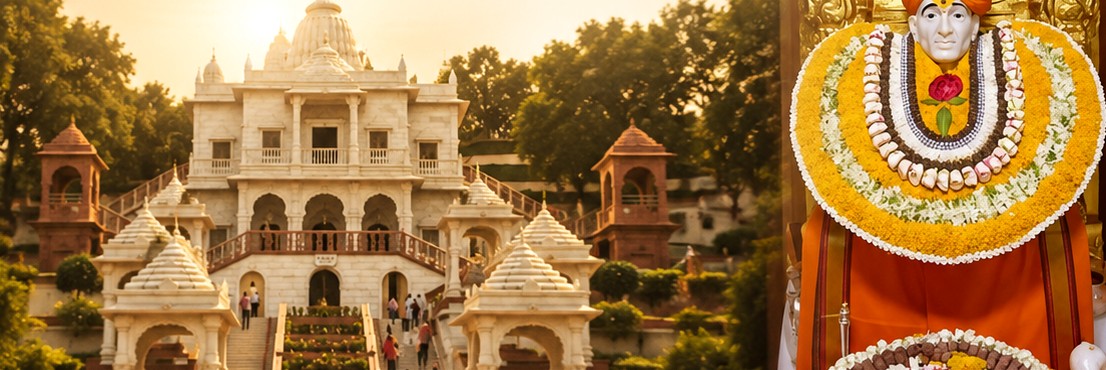
The Narmada aarti at Omkareshwar is one of the most moving spectacles in any Hindu pilgrimage — lamps glowing against the dark river, conches sounding, and devotees gathered on stone steps where the Narmada curls around an island shaped like the sacred syllable “Om.” Whether you arrive for the hushed morning rite or the luminous evening ceremony, knowing the aarti timings and what to expect helps you experience it fully. This guide covers the schedule, the best viewing spots, photography etiquette, and the deeper spiritual meaning of worshipping the Narmada.
Why the Narmada Aarti Matters
Among India’s sacred rivers, the Narmada (Reva) holds a uniquely revered place, and offering aarti to her is considered exceptionally meritorious. Pilgrims believe the Narmada is the daughter of Lord Shiva, and that she herself grants purification to those who bathe in her waters and offer light in her honour. For more on her puranic significance, see our article on the significance of the Narmada (Reva) river.
The aarti is not merely a ceremony; it is a gesture of gratitude to the river that sustains life, devotion, and the very geography of Omkareshwar. Performing or witnessing it is believed to bring peace to ancestors, calm the mind, and prepare the devotee for darshan of the Jyotirlinga.
Narmada Aarti Timings at Omkareshwar
Aarti schedules at Omkareshwar follow the rhythm of sunrise and sunset, so times shift through the year. The table below gives an indicative range; always confirm on the day of your visit, especially around festivals.
| Ceremony | Indicative Time (Summer) | Indicative Time (Winter) | Notes |
|---|---|---|---|
| Mangal Aarti / Morning Aarti | ~4:30 AM – 5:30 AM | ~5:30 AM – 6:30 AM | Before sunrise; very peaceful |
| Narmada Morning Puja at ghats | ~6:00 AM – 7:00 AM | ~6:30 AM – 7:30 AM | Coincides with temple opening |
| Sandhya (Evening) Aarti | ~6:45 PM – 7:30 PM | ~6:00 PM – 6:45 PM | Around sunset; most popular |
For the full temple schedule including darshan windows and breaks, refer to our Omkareshwar darshan timings and aarti schedule guide. Arriving a little early is wise — the ghats fill quickly, and a good spot transforms the experience.
When to Choose Morning vs Evening
- Morning aarti is quieter, cooler, and ideal for meditation and a riverside bath before darshan.
- Evening aarti is the more visually dramatic of the two, with hundreds of floating and hand-held lamps, chanting, and the confluence of pilgrims from across India.
What to Expect at the Aarti
The ceremony typically unfolds over 30 to 45 minutes. A priest (or group of priests) stands at the water’s edge holding large multi-tiered brass lamps fueled by ghee or oil. Devotees gather on the ghat steps. You will hear the chanting of Narmadashtakam and other hymns glorifying the river, the sounding of the shankh (conch), and the rhythmic ringing of bells.
After the main lamp offering, many pilgrims release small diyas (earthen lamps with a flower and a lit wick) onto the Narmada — a deeply symbolic act of floating one’s prayers and surrendering ego to the river. A small donation box or plate is usually circulated for dakshina, which supports the ghat priests and upkeep.
Best Spots to Watch the Narmada Aarti
The ghats of Omkareshwar line both the island side and the south bank. Some of the most rewarding viewpoints include:
- Near the main Omkareshwar temple ghat — closest to the action, but crowded.
- The south bank ghats near Mamleshwar — a calmer vantage across the water; ideal if you prefer space and a panoramic view.
- The hanging bridge (suspension bridge) — offers an elevated, sweeping view of the lamps reflected on the Narmada, though it is best for a brief pause rather than a long stand.
- From a moored boat — some pilgrims arrange a small boat for the duration of the aarti, which gives a water-level view that is hard to beat.
Our guide to the sacred ghats of Omkareshwar covers each ghat in more detail, including accessibility for elderly visitors.
Photography Tips and Etiquette
The Narmada aarti is a photographer’s dream, but it is also a sacred act. A few considerate practices go a long way:
- Avoid flash near the priests or the inner sanctum; it distracts and is often prohibited.
- Shoot during the “blue hour” — the 15-20 minutes after sunset when the sky holds a deep blue that balances the warm lamp light.
- Use a wide aperture and raised ISO to capture the lamps handheld; a small tripod helps if the ghat permits it.
- Respect devotees — ask before taking close-up portraits, and never photograph anyone bathing.
- Stay steady and quiet — the aarti’s power is in its sound and stillness; minimise movement so others can immerse themselves.
The Spiritual Significance of Worshipping the Narmada
In Hindu thought, offering light to the Narmada is an act of remembering the divine in nature. The river is considered so sacred that, uniquely among India’s great rivers, she is circumambulated rather than merely worshipped from the bank — the practice of Narmada Parikrama spans her entire length. Lighting a lamp at her ghats is therefore seen as a small parikrama of devotion in itself.
Devotees also believe that praying to the Narmada before seeking darshan of the Jyotirlinga purifies the heart and sharpens focus. It is a beautiful sequence: first honour the river that shaped this sacred island, then approach the Lord who resides upon it. This is why so many families structure their entire Omkareshwar visit around the aarti timings.
Summary
The Narmada aarti at Omkareshwar is the spiritual high point of any visit to this Jyotirlinga. Time your day around the morning or evening ceremony (around sunrise and sunset respectively), reach the ghat early, choose a viewing spot that suits your party, and participate with reverence. Light a diya, listen to the hymns, and let the lamps drifting on the dark Narmada do what words cannot. Pair the experience with temple darshan and a walk along the ghats, and your pilgrimage to Omkareshwar will stay with you long after you return home.
Frequently Asked Questions
What time is the evening Narmada aarti at Omkareshwar?
The evening aarti (Sandhya Aarti) is generally held around sunset, typically between 6:30 PM and 7:15 PM depending on the season. Times shift earlier in winter and later in summer, so confirm the exact slot on the day of your visit.
Where is the best place to watch the Narmada aarti?
The main ghats along the Narmada, especially near the temple entrances, offer the best views. Arriving 20-30 minutes early helps you secure a good spot, particularly during festivals and weekends.
Is photography allowed during the aarti?
Photography of the lamps and ghats is usually permitted from a respectful distance, but avoid using flash near the priests or inside the inner sanctum. Always follow local signs and requests.