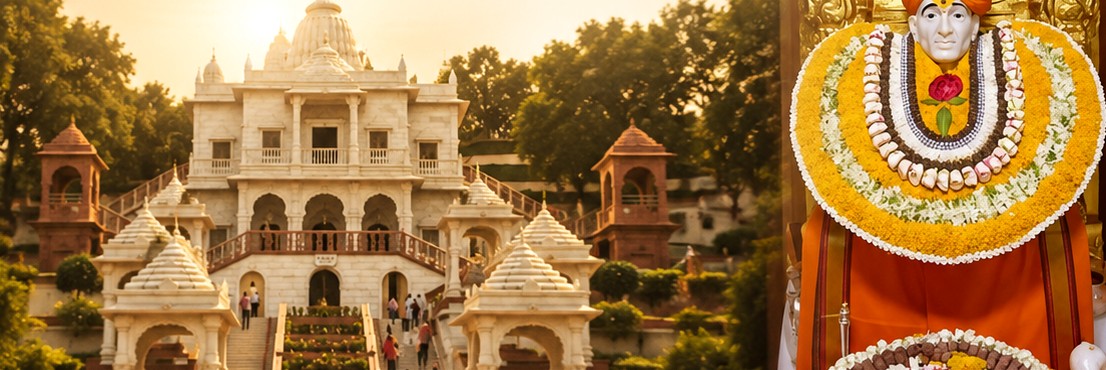
The road to Kedarnath ends at Gaurikund — and from there, the pilgrimage becomes a walk of faith. The Kedarnath trek from Gaurikund covers approximately 14–16 km of mountain trail, climbing to roughly 3,580 metres where the ancient stone temple stands beneath the Kedarnath massif. For most pilgrims, these kilometres are the most memorable part of the entire yatra. This guide covers the route stage by stage, registration at Sonprayag, pony and palki options with indicative costs, fitness advice, and what to pack.
The Route — Gaurikund to the Temple
Gaurikund itself is a sacred halt: according to tradition, Goddess Parvati performed penance here to win Shiva as her husband, and pilgrims traditionally bathe at its hot spring before beginning the climb. From Gaurikund the trail rises through a sequence of well-known halts (routes have been realigned at times after flood damage, so distances are approximate):
| Stage | Approx. Distance | Notes |
|---|---|---|
| Sonprayag → Gaurikund | ~5 km | By local jeep; private vehicles park at Sonprayag |
| Gaurikund → Jungle Chatti | ~4 km | Steady initial climb through forest |
| Jungle Chatti → Bheembali | ~3–4 km | Open slopes; tea stalls and resting points |
| Bheembali → Lincholi | ~4 km | Long climb; the treeline thins |
| Lincholi → Kedarnath | ~4–5 km | Final stretch across the plateau to the temple |
Most walkers complete the ascent in five to eight hours. Start early — ideally by 6:00–7:00 AM — so that you reach the shrine with time for darshan before the afternoon weather, which can turn quickly in the mountains. The trail is paved for most of its length, and shelter, food stalls and basic medical points stand at intervals during the season.
Registration at Sonprayag
All pilgrims must complete yatra registration for the Kedarnath route. Sonprayag, the road-head, is the principal checkpoint: biometric registration is done here (with additional centres elsewhere in Uttarakhand and an online facility generally available). Carry an original government photo ID — Aadhaar, voter card or passport — and keep the registration slip with you throughout the yatra, as it may be checked at multiple points. Private vehicles must park at Sonprayag, and local shared jeeps cover the roughly 5 km to Gaurikund. Rules and procedures change from season to season, so confirm the current requirements with official sources before travelling. The broader context of the shrine’s significance and season is covered in our complete Kedarnath pilgrimage guide.
Ponies, Palkis, Kandis and Helicopters
The trek need not be walked on foot. Several options exist, and negotiating the price clearly in advance is essential:
| Option | Indicative One-Way Cost | Notes |
|---|---|---|
| On foot | Free | The classic choice; five to eight hours for most walkers |
| Pony | ~INR 2,000–4,000 | Book through registered stands at Gaurikund; agree the rate first |
| Palki / doli (carried chair) | ~INR 4,000–7,000 | Carried by two to four bearers; suitable for elderly pilgrims |
| Kandi (basket) | Lower than palki | Mainly for children or luggage |
| Helicopter | ~INR 4,000–8,000+ per seat | From Phata, Sersi and Guptkashi; fares are dynamic and weather-dependent |
All figures are indicative only — rates are revised periodically and rise in peak season, so confirm at booking. Helicopter services are regulated, book through authorised channels, and flights are frequently delayed or cancelled when the weather closes in; keep a buffer day if your return depends on flying.
Fitness and Altitude Advice
Even pilgrims who opt for a pony should treat the altitude seriously — the temple sits at approximately 3,580 metres, where the air is noticeably thinner than in the plains. A few principles make the difference:
- Pace yourself: walk slower than feels necessary; the mountain rewards steadiness, not speed.
- Hydrate continuously: small, frequent sips of water reduce altitude discomfort.
- Recognise warning signs: severe headache, persistent vomiting or breathlessness at rest call for descending and seeking medical help; health posts operate along the route in season.
- Prepare in advance: a month of regular walking, stair-climbing or cycling before the yatra transforms the experience.
- Consult a doctor if you have heart, lung or blood-pressure conditions, and carry your medicines on your person.
Children and seniors complete this trek every season, but with support, rest days where possible, and full respect for the mountain’s mood.
What to Pack
- Clothing: layered woolens, a warm jacket, woolen cap and gloves — even summer nights are cold — plus a rain shell for sudden showers.
- Footwear: broken-in walking shoes with grip; avoid new shoes on this trail.
- Health: personal medicines, ORS sachets, basic pain relief, sunscreen and lip balm.
- Practical: a walking stick, headlamp or torch, power bank, small notes for tips and tea stalls, and dry snacks.
- Documents: registration slip and photo ID in a waterproof pouch.
Travel as light as you can; luggage can be carried separately in kandis, and every kilogram matters on the climb.
When to Trek — A Seasonal Contrast
The trek is open during the shrine’s season of approximately May to October/November, with May–June and September–October the most reliable windows and July–August carrying monsoon risk; confirm the season’s official dates before booking anything. It is a useful reminder of how differently pilgrimage seasons work across India: in the Himalayas, winter closes the route entirely, whereas the island of Omkareshwar in the Narmada welcomes pilgrims all year, with its own gentler rhythms of heat, monsoon and winter discussed in our guide to the best time to visit Omkareshwar. Trekkers completing Kedarnath often continue the full Himalayan circuit — the planning for which is set out in our Chota Char Dham Yatra guide.
Summary
The Kedarnath trek from Gaurikund — approximately 14–16 km of climbing trail — is a pilgrimage measured in footsteps rather than kilometres. Register at Sonprayag, start early from Gaurikund, pace yourself for altitude, and choose between your own two feet, a pony, a palki or a helicopter according to your body’s needs and means. Pack for cold and rain regardless of the forecast, treat all costs as indicative until confirmed, and keep your dates flexible around the official season. The climb ends where it has ended for over a millennium — before the hump-shaped linga of the Himalayas, wind-bitten and grateful, exactly as countless pilgrims before you have stood.
Frequently Asked Questions
How difficult is the Kedarnath trek?
The trek is approximately 14–16 km one way from Gaurikund, with a steady climb to about 3,580 metres at the temple. A reasonably fit walker usually manages it in five to eight hours, but the altitude demands a slow, steady pace and proper rest stops.
How much does a pony or palki cost on the Kedarnath trek?
Ponies are indicatively around INR 2,000–4,000 each way and palkis roughly INR 4,000–7,000, depending on season, weight and negotiation. Rates are revised periodically, so treat these as indicative and settle the price clearly before setting out.
Where does the Kedarnath yatra registration take place?
Registration is done at Sonprayag, the road-head checkpoint, and at various centres in Uttarakhand, along with an online option. Pilgrims generally park at Sonprayag and take local transport for the short hop to Gaurikund, where the trek begins.