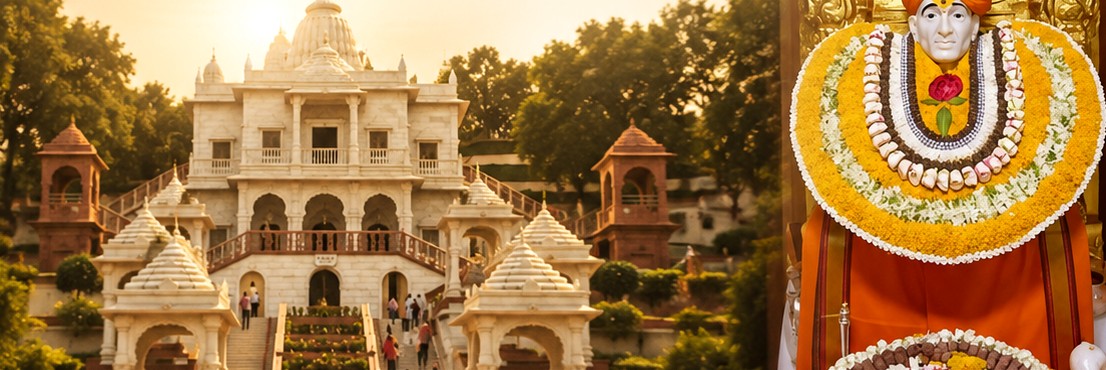
Winter in Omkareshwar — the stretch from approximately October to March — is the season this temple town was made for. The punishing heat of the Nimar summer is gone, the monsoon has washed the island green, and the Narmada glides cool and full between banks that are pleasant to walk at any hour. It is no coincidence that this is peak pilgrim season: darshan queues lengthen, boats run full, and the ghats hum from the first bell of the morning aarti to the last lamp of the evening. The full month-by-month comparison lives in our best time to visit Omkareshwar guide; this article is a deeper, practical look at what the winter season specifically means for planning — weather, festivals, crowds and packing.
Why October to March Is Peak Season
The reasons are happily simple. First, the weather: daytime temperatures through these months are generally comfortable for temple visits, boat rides and walking, while early mornings and evenings turn cool — ideal for the two ends of the devotional day. Second, the calendar: a chain of auspicious occasions from Kartik through the winter into the Shivratri season draws pilgrims from across Madhya Pradesh and neighbouring states. Third, simple practicality — school holidays, wedding-season travel and festival leave all converge on these months, so families plan their yatras now.
For the pilgrimage itself, winter changes the experience in concrete ways. The full island parikrama of approximately five to eight kilometres, punishing under a summer sun, becomes a pleasure walk. Ghats that are sleepy in the off-season fill with pilgrims taking ritual dips in the bracing water. And the evening Narmada aarti, the emotional centrepiece of most visits, gains a special winter texture — crowds wrapped in shawls, lamps reflected on dark water, breath visible in the cold air.
Misty Mornings on the Narmada
If you visit between roughly November and February, do one thing without fail: get to the ghats before sunrise. Mist rises off the river in the coldest weeks, and the island emerges from it gradually — first the sound of bells and boat oars, then the shikhara materialising through the haze, then the whole Om-shaped outline glowing as the sun climbs. Pilgrims who experience this quiet hour often describe it as the most memorable darshan of the trip, taken with chai in hand before the day’s queues form.
Photographers should note that the mist window is short — it burns off within an hour or two of sunrise — and the light that follows it is clean and low-angled. The practical spin-offs of the cold are pleasant: hot chai tastes better, the boat rides are crisper, and the day stretches comfortably long for sightseeing without the midday fatigue of warmer months.
The Winter Festival Calendar: Kartik Purnima to Maha Shivratri
Winter is Omkareshwar’s festival season. The period opens with the sacred Kartik months, when lamps, ritual bathing and deep-daan brighten the ghats, with Kartik Purnima drawing notably larger crowds. Through December and January, wedding-season pilgrimages, the winter holidays and auspicious tithis keep a steady flow of family groups moving through the temples. The crescendo is the approach of Maha Shivratri — the greatest night of the year for a Jyotirlinga shrine — when the town fills with devotees, and the celebrations described in our Maha Shivratri at Omkareshwar guide take over the island’s every lane.
Festival dates follow the lunar calendar and shift each year against the Gregorian one, so confirm exact days with temple authorities as schedules change. If your travel dates are flexible, a useful rule: the closer to Maha Shivratri, the more crowded, more expensive and more unforgettable the visit becomes.
Crowds, Rooms and the Booking Strategy
Peak season rewards planners. Rooms at the Sansthan, dharamshalas and hotels fill first on weekends, on the major festival dates listed above, and through the late-December holiday period. The picture varies across the season:
| Winter window (approx.) | Weather feel | Crowd and booking picture |
|---|---|---|
| October – November | Pleasant days, cool evenings; Kartik lamp-lit ghats | Moderate; weekends fill first |
| December – January | Coldest stretch; misty dawns | Highest around year-end holidays; book well ahead |
| February – March | Warming days; Shivratri-season crescendo | Peaks sharply on festival dates |
The strategy that works:
- Book rooms as early as your dates firm up; treat quoted tariffs as indicative until confirmed at booking, since peak-season rates apply.
- Prefer weekdays over weekends for thinner darshan queues and easier boat access.
- If Maha Shivratri or Kartik Purnima falls in your window, either commit fully to the festival experience — arriving a day early, expecting crowds and late-night aarti — or deliberately plan around it.
- Arrive at the ghats early in the morning; between roughly 10 am and 4 pm the peak-season flow is heaviest.
- For the Bhakt Niwas accommodation, contact the Sansthan office in advance to check availability for your dates, particularly for ground-floor or family rooms.
Winter weekends also mean fuller buses and trains on the Indore and Khandwa routes, so book road or rail legs early too, and keep arrival timing elastic rather than back-to-back.
Packing for Cold Mornings and Warm Afternoons
Winter packing for Omkareshwar is about layers, because one day holds two climates:
- A warm shawl or light jacket for pre-dawn aarti and the evening ghat sit — the two best hours of the day are also the two coldest.
- Warm layers you can shed by late morning, when afternoons turn pleasant in the sun.
- Comfortable walking shoes for the parikrama path and ghat steps, which stay cool and damp in patches.
- A cap or scarf for the morning boat ride, where the wind off the water bites.
- Sunscreen and sunglasses for afternoons by the river; the winter sun at midday is stronger than it feels.
- Normal pilgrimage kit unchanged: modest clothing, a small bag for shoes at temple entrances, and sealed pouches for phone and prasad.
Summary
Winter — approximately October to March — is Omkareshwar’s golden season: cool, festival-lit and alive with pilgrims. Come for the misty Narmada dawns, the comfortable parikrama and the build-up from Kartik lamps to Maha Shivratri’s grandeur; plan for the crowds with early bookings, weekday visits and dawn arrivals; and pack layers for days that begin cold and end golden. Confirm festival dates and darshan timings locally, book rooms and transport well ahead, and treat the season’s busyness not as an inconvenience but as evidence — every lamp you see lit along the ghat belongs to a pilgrim who, like you, chose the best time of year to come.
Frequently Asked Questions
Is winter the best time to visit Omkareshwar?
Yes, the approximately October-to-March window is widely considered the best time to visit, with pleasant days and cool nights that make darshan, ghats and parikrama comfortable. It is also the busiest season, so early room booking is recommended.
How cold does Omkareshwar get in winter?
Winter days are generally mild and pleasant, while mornings and evenings, especially December and January, can be genuinely chilly by central Indian standards, with temperatures dipping toward single digits at times. Light warm layers for early darshan are usually enough.
Which festivals fall in Omkareshwar's winter season?
The season spans Kartik Purnima celebrations, the wedding-festival periods and, most importantly, the lead-up to Maha Shivratri, the temple's greatest festival. Dates follow the lunar calendar, so confirm exact festival days with temple authorities before planning.