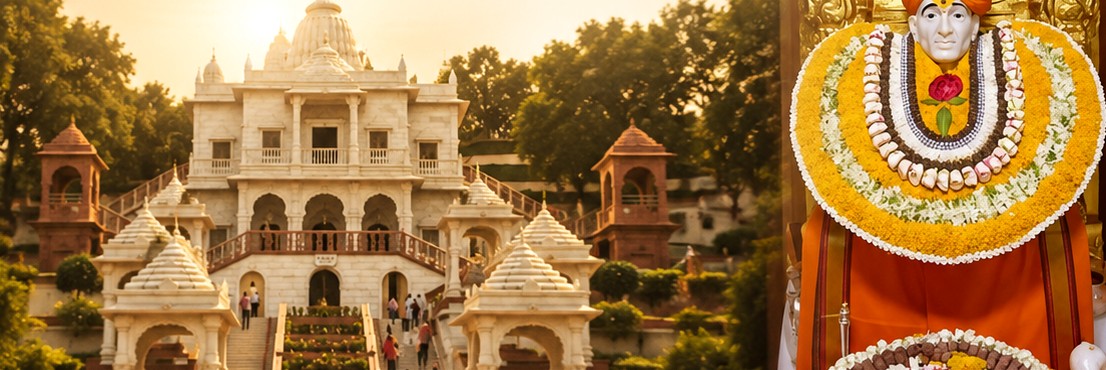
After the evening aarti ends and the sea breeze settles over Prabhas Patan, Somnath offers pilgrims one more unforgettable experience: the Somnath light and sound show. Presented in the temple complex in the evening hours, the show — popularly known by its title Jai Somnath — narrates the temple’s long story of devotion, destruction and rebirth through narration, music and dramatic lighting. This guide explains what to expect, what timings and ticket details have been reported, and how to pair the show with nearby sacred spots for a complete evening.
What the “Jai Somnath” Show Is About
The show tells the story that makes Somnath unique among India’s temples: the legend of the Moon God and Lord Shiva, the shrine’s rise to greatness, the medieval raids it endured, and its rebirth culminating in the reconsecration of 1951. Rather than a dry history lesson, it is an emotive retelling, with the illuminated temple precinct and the sound of the nearby sea lending it an atmosphere no auditorium could match.
According to visitor reports, the show is presented in multiple languages — such as Hindi, English and Gujarati — with different language slots scheduled on different evenings. The duration is reportedly around 45 minutes to an hour. The open-air setting near the temple precinct — with the sea audible beyond the lights — is a large part of the show’s appeal, and pilgrims often describe the closing moments, when the illuminated shikhara comes into view, as genuinely stirring. Because arrangements are revised from time to time, treat these details as indicative and confirm with temple authorities as schedules change.
Timings, Tickets and Booking: What Reports Suggest
| Detail | Indicative Information (Verify Locally) |
|---|---|
| Show timing | Evening slots, reportedly between about 7:30 and 9:00 PM, varying by season |
| Duration | Approximately 45–60 minutes |
| Languages | Reported to include Hindi, English and Gujarati on assigned evenings |
| Ticket price | Nominal, reportedly about INR 20–100 per person depending on category |
| Booking | Generally at the venue/trust office counter on the same day; group seating may be arranged on request |
A few practical notes from pilgrim experience: arrive at least 20–30 minutes early to settle into seating, keep a light shawl or jacket handy for the sea breeze, and check the day’s language slot at the trust office when you purchase tickets. During peak festival periods the show may be rescheduled or suspended, so a quick confirmation the same afternoon is wise.
How the Show Completes Your Somnath Evening
The most satisfying sequence is to attend the evening aarti — typically around 7:00 PM, though timings vary — take prasad and a slow walk along the ghat, and then watch the show. Pilgrims often say the narration lands differently after you have already stood before the Jyotirlinga: the history becomes your own. For everything about reaching the temple, darshan queues and aarti details, see our Somnath Jyotirlinga darshan guide, and for the full historical background, our article on Somnath temple history.
Families with seniors and young children will find the format comfortable, since it is a seated, static experience after a long day on foot. Do carry your token or ticket stub carefully, as entry is usually checked at the seating area. If your evening runs late, note that auto-rickshaws generally remain available near the temple gate until after the show disperses, though agreeing on the fare in advance is always wise.
Nearby: Triveni Sangam Ghat and Bhalka Tirth
If your evening permits, two sacred spots around Somnath deserve attention alongside the show.
- Triveni Sangam Ghat: A short walk from the temple, this ghat marks the confluence where, according to tradition, the Hiran and Kapila rivers meet the Arabian Sea together with the legendary underground Saraswati. Pilgrims offer puja and float small oil lamps on the waves at dusk — a quiet, moving sight just before the show begins.
- Bhalka Tirth: Located approximately 4–5 km from the temple, Bhalka Tirth is revered as the place where, according to tradition, Lord Krishna was struck by a hunter’s arrow and left his earthly form. A small shrine and the legendary spot of the incident make it a sobering, reflective stop, best visited the following morning if your evening is full.
Planning Tips and Where to Stay
Since the show ends late, most pilgrims prefer to stay overnight. The Shree Somnath Trust operates several guesthouses near the temple, with indicative tariffs of roughly INR 400–2,500 per night depending on the room type; private hotels in Somnath and Veraval offer additional choices. Confirm rates at booking, especially around Mahashivratri and Shravan. The show runs through most of the year, but the most comfortable evenings fall between October and March, when the sea breeze is pleasant rather than humid; on windy winter nights the open seating can feel surprisingly cool, so a light wrap serves every season. If your pilgrimage continues along the coast the next morning, our Somnath to Dwarka travel guide covers routes, distances and stopovers.
Summary
The Somnath light and sound show is the perfect closing note to a day of darshan: the temple’s epic story retold in light and music against the sound of the sea. Keep the reported timings and ticket prices as approximations, confirm the language slot and schedule with the trust office on the day, arrive early for good seating, and pair the evening with a visit to Triveni Sangam ghat — or Bhalka Tirth the next morning. A well-planned evening at Prabhas Patan leaves pilgrims of every age with memories that linger long after the lights dim.
Frequently Asked Questions
What is the timing of the Somnath light and sound show?
The show is generally held in the evening, with reported slots between roughly 7:30 and 9:00 PM depending on the season. Schedules and language slots change periodically, so confirm with the Shree Somnath Trust office or temple authorities before your visit.
How much are tickets for the Somnath light and sound show?
Tickets have been reported to be nominal, generally in the range of approximately INR 20–100 per person depending on seating and category. Confirm the current price and availability locally, as fees are revised from time to time.
In which languages is the Somnath show available?
According to visitor reports, the show runs in multiple languages, such as Hindi, English and Gujarati, on different evenings or slots. Check the current weekly language schedule with temple authorities when you arrive.