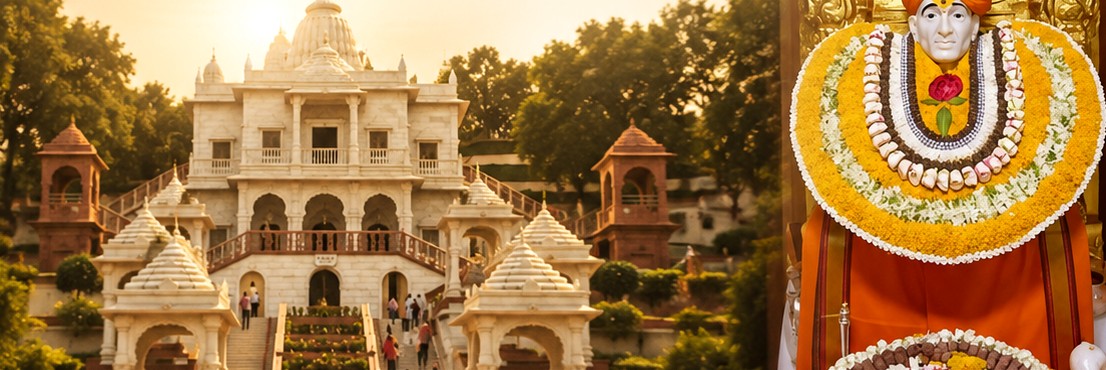
Seva — selfless service offered without expectation of return — is at the very heart of pilgrimage, and choosing to volunteer at Omkareshwar through Gajanan Maharaj Sansthan is one of the most meaningful ways to deepen your visit to the Jyotirlinga. This guide explains the kinds of seva available, how to register, what to expect, and how service fits into the larger rhythm of temple life.
The Spirit of Seva
In the Hindu pilgrim tradition, seva is not merely volunteering — it is a form of bhakti, a way of offering one’s time, hands and energy to the Divine and to fellow devotees. Gajanan Maharaj, the revered saint who inspires this Sansthan, was known for the same simplicity and compassion that seva embodies: feeding the hungry, serving quietly, and seeing the Divine in every visitor. Offering even a single day of seva is believed to be as meritorious as any ritual performed inside the sanctum.
Types of Seva at the Sansthan
There are several ways to serve, and the Sansthan tries to match each volunteer to a role suited to their age, health and comfort.
Kitchen and Anna Seva
The community kitchen — the Anna Kshetra — is where the largest number of volunteers are needed. Tasks include washing and peeling vegetables, kneading dough, helping the cooks, serving meals, and washing utensils. This is the seva most closely associated with Gajanan Maharaj’s tradition of anna-daan, and many devotees find it the most fulfilling. Read more in our prasad and bhandara guide.
Prasad Distribution Seva
Volunteers help distribute prasadam — the sanctified food offered to all devotees — at the dining hall and at designated counters near the temple. This seva requires patience, a calm demeanour and a willingness to serve people from every walk of life.
Cleaning and Upkeep
Maintaining the temple corridors, the Bhakt Niwas, the ghats and the parikrama path is itself a sacred duty. Volunteers sweep, mop, tidy flower offerings and help keep the premises litter-free, especially during festivals.
Crowd and Queue Management
During peak days — Maha Shivratri, Shravan Mondays, weekends — volunteers assist pilgrim flow, help senior citizens, guide visitors to the darshan lines, and answer basic questions. This seva suits adults who are physically fit and comfortable with crowds.
Accommodation and Reception Help
A smaller team helps at the Bhakt Niwas reception, guiding arriving pilgrims to their rooms, answering queries and coordinating with the office. It is ideal for those who speak multiple languages or enjoy hospitality.
How to Register as a Volunteer
The registration process is intentionally simple, but a little planning goes a long way.
- Reach out in advance through the Sansthan’s official contact channels with your dates, area of interest, and number of people.
- Share basic details — name, age, place of residence, any relevant skills (cooking, first aid, languages), and any health considerations.
- Confirm logistics — whether accommodation and prasadam will be provided, expected working hours, and the dress code (traditional, modest clothing).
- Arrive on the agreed day and meet the seva coordinator, who will brief you and assign a shift.
| Seva Type | Typical Shift | Best Suited For |
|---|---|---|
| Kitchen / anna seva | 3–5 hours, morning or evening | Most adults and older teens |
| Prasad distribution | 1–3 hours, meal times | All ages (with supervision) |
| Cleaning | 2–3 hours, flexible | Individuals and small groups |
| Crowd management | 4–6 hours, festival days | Fit adults |
| Reception / language help | 3–4 hours | Multilingual volunteers |
What to Expect During Your Seva
- A simple, disciplined routine. Seva is woven into the temple’s daily schedule, so expect early mornings and a quiet, devotional atmosphere.
- Prasadam as your meal. Volunteers eat the same sanctified food served to all pilgrims.
- Humility over hierarchy. No task is considered “low” — sweeping and serving are as honoured as any puja.
- Guidance from senior sevaks. Long-serving volunteers will show you the ropes; follow their lead.
Eligibility and Considerations
Seva is open to almost anyone with a sincere intent, but a few practical points matter:
- Minimum age is usually around 14–16 for independent seva; younger children can help alongside parents.
- Health first. If you have a chronic condition, choose lighter tasks like prasad distribution over kitchen or cleaning work.
- Group seva. Families, college groups and corporate teams can arrange dedicated seva days with prior notice — it is a beautiful way to bond in service.
- Duration. You can offer anything from a single day to several weeks; the Sansthan accommodates both.
Seva, Donation and the Larger Picture
For many devotees, seva and dana (giving) go hand in hand. If you cannot be physically present, you can still participate by sponsoring a bhandara or contributing to the anna-daan fund — explore our anna-daan and bhandara seva guide and the broader Gajanan Maharaj Sansthan donation and seva page for details.
Summary
Volunteering at Gajanan Maharaj Sansthan is a chance to transform a pilgrimage into active, loving service — whether in the kitchen, at the prasad counter, sweeping the corridor, or guiding a fellow devotee. Register in advance, come with humility, choose a seva that matches your ability, and you will carry home something far more enduring than photographs: the quiet joy of having served.
Frequently Asked Questions
Do volunteers get free accommodation and food?
Registered volunteers are typically offered simple accommodation and prasadam at the Sansthan for the duration of their seva, subject to availability. Confirm the current arrangement when you register.
Can families do seva together?
Yes, families are welcome to volunteer together for kitchen, prasad or cleaning seva, though some tasks (like crowd management) are better suited to adults. Children can help under supervision in lighter duties.
Is prior registration needed to volunteer?
While walk-in help is sometimes accepted during festivals, prior registration is strongly recommended so the Sansthan can plan your role, accommodation and shift timings.